Category: Car

  • Weltmeister EX5 Review: Battery, Charging, Interior & Price Guide

    Weltmeister EX5 Review: Battery, Charging, Interior & Price Guide

    1. Overview

    The Weltmeister EX5 is a compact electric crossover SUV built by WM Motor, a Shanghai-based EV startup that launched the model in 2018 under its “Weltmeister” (German for “world champion”) brand. It was one of the first mass-market EVs from a Chinese startup, backed by investors including Baidu and Tencent, and became a strong early seller — WM Motor’s second-best-selling year, 2019, saw around 18,000 EX5 units delivered.

    A note on current status: WM Motor filed for bankruptcy/pre-restructuring in October 2023, and production of the EX5 was suspended for roughly two years. In September 2025 a new owner (Shenzhen Xiangfei Automobile Sales) took over the company, resumed EX5 production, and is targeting full manufacturing capacity in 2026. If you’re shopping for one today, treat this less like a normal new-car purchase and more like buying into a brand that is mid-relaunch — verify current warranty, software/app support, and dealer network status before committing.

    2. Key Specifications

    SpecDetail
    Body styleCompact electric crossover SUV
    Drive layoutFront-wheel drive
    Motor power160 kW (218 hp / 215 PS)
    Torque~225 Nm
    Battery options52.5–52.7 kWh or 69 kWh (varies by model year/trim)
    Range (NEDC/CLTC)400–520 km depending on battery pack
    Top speed160 km/h
    0–100 km/h8.3–8.8 seconds
    Seats5

    Note that WM Motor sold several EX5 battery/range configurations across model years (2018–2022), so specs vary meaningfully depending on which version you’re looking at.

    3. Exterior Design

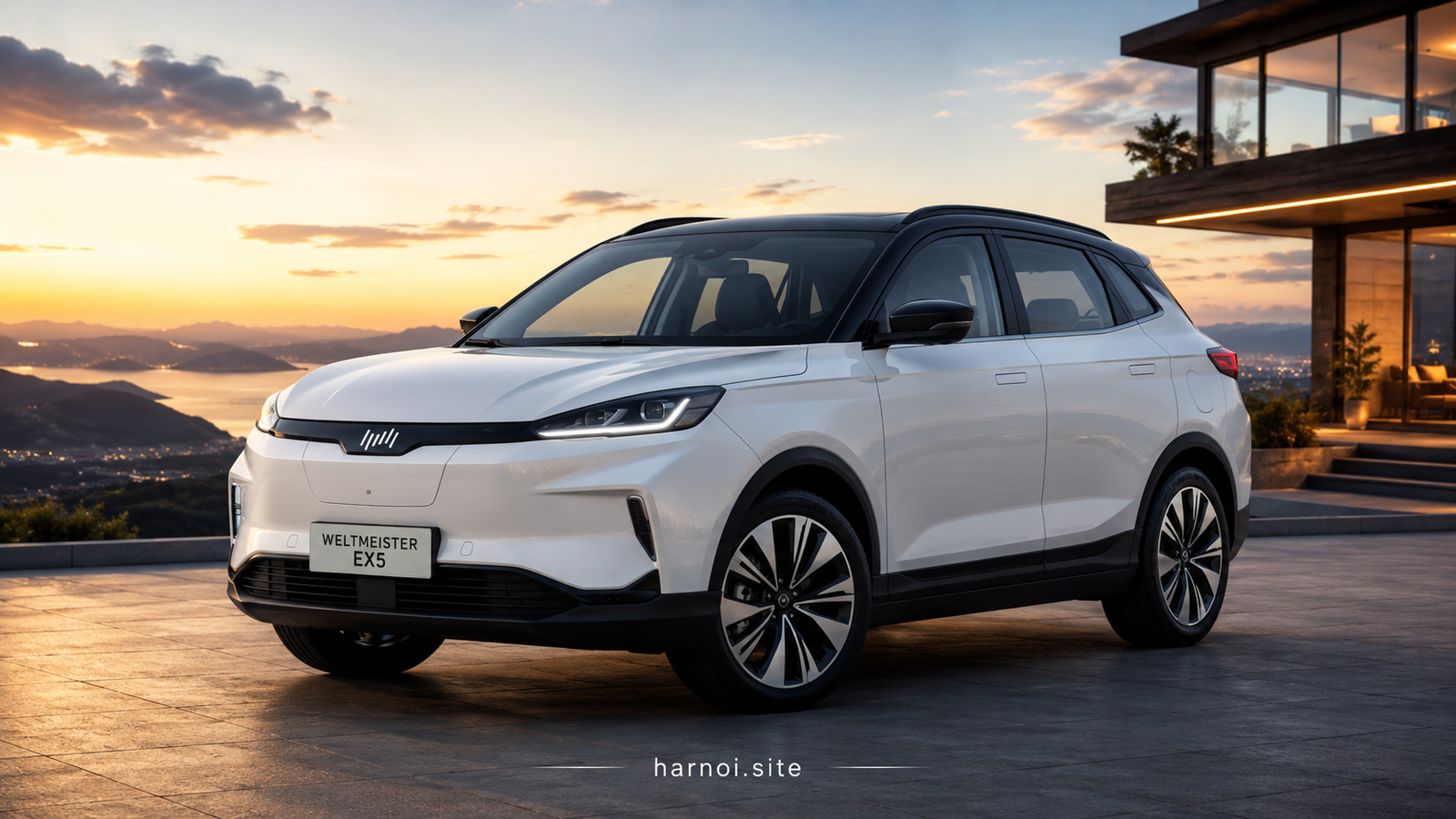
    The EX5 leans into a “no traditional grille” EV look, with a smooth front fascia in place of a radiator grille and flush or minimal-profile door handles — styling choices meant to signal it as a purpose-built electric vehicle rather than a converted combustion car. It’s sized similarly to compact crossovers like the Kia e-Niro, sitting between mainstream compact SUVs and larger models like the Tesla Model Y.

    4. Interior & Cabin Comfort

    Inside, the EX5 was positioned as a practical family EV — WM Motor has noted that a large share of its customer base were parents with young children, and the cabin was designed accordingly, prioritizing usability and connectivity over outright luxury. Expect a digital-first cockpit with touchscreen controls and reasonably comfortable seating for five, rather than premium materials.

    5. Battery Capacity

    The EX5 was offered with different battery packs over its production run:

    • 52.5–52.7 kWh ternary NMC packs (earlier and mid-cycle versions)
    • 69 kWh pack (longer-range version)

    WM Motor sourced battery cells from CATL, Tianjin Lishen, and Tafel, paired with a self-developed Battery Management System (BMS). The pack sits centrally in the vehicle and carries an IP67 ingress protection rating, with thermal management designed to operate across a wide temperature range (−30°C to 50°C).

    6. Electric Range

    Range depends on which battery pack a given EX5 has:

    • 52.5–52.7 kWh pack: roughly 400–403 km (NEDC/CLTC)
    • 69 kWh pack: up to 520 km (NEDC)

    As with most Chinese-cycle (NEDC/CLTC) range figures, real-world range under WLTP-style testing conditions would typically run lower — third-party estimates put the 400 km NEDC figure closer to 390 km under a more realistic cycle.

    7. Charging Time & Charging Options

    • DC fast charging: roughly 30–45 minutes to reach 80%, with some sources citing a 0.5-hour (30-minute) 30–80% charge on later versions
    • AC home/wallbox charging: around 8–11 hours for a full charge, depending on the onboard charger (6.6 kW AC charging is commonly cited)
    • Energy consumption is reported around 14.7 kWh/100km on some configurations

    8. Performance & Driving Experience

    With 218 hp on tap and a 0–100 km/h time in the high-8-second range, the EX5 isn’t quick by EV standards — it’s tuned for everyday commuting and efficiency rather than performance. Top speed is capped at 160 km/h, in keeping with its role as a practical family crossover rather than a sport-oriented EV.

    9. Motor & Power Output

    The EX5 uses a single front-mounted electric drive module supplying 160 kW (218 hp/215 PS) and roughly 225 Nm of torque, sourced from BorgWarner, with electronic control (IGBT) components from Infineon.

    10. Safety Features

    The EX5 earned a 5-star C-NCAP safety rating (certified July 2019), China’s domestic crash-test standard. Standard safety equipment on Chinese-market EVs of this class typically includes multiple airbags, stability control, and driver-assist basics, though exact feature lists vary by trim and model year — worth confirming against the specific unit you’re considering.

    11. Infotainment & Technology

    The EX5 was built around a connected-car experience, with a smartphone app for remote functions (locking, climate control) and an in-car infotainment system tied to internet connectivity. This is also the area most affected by WM Motor’s bankruptcy: owners reported losing app access, in-car entertainment, and remote functions when company servers went offline in 2023–2024, since firmware and back-end services weren’t being maintained. This is an important consideration for any EX5 shopper today — verify that connected services have actually been restored under the new ownership before assuming they work.

    12. Features & Equipment

    Reported optional equipment across the EX5 lineup includes:

    • Wireless phone charging
    • Heat pump for the battery pack (helps cold-weather range/efficiency)
    • Memory seat settings

    Feature availability varies significantly by trim and model year, since the EX5 was sold across multiple sub-variants (Fun, Lead, Creator, Dynamic, and others) over its production run.

    13. Dimensions & Cargo Space

    DimensionValue
    Length4,585 mm
    Width1,835 mm
    Height1,672 mm
    Wheelbase2,703 mm
    Curb weight~1,750 kg

    These dimensions place it squarely in the compact SUV segment, with a wheelbase that supports reasonably usable rear-seat and cargo space for the class.

    14. Ride Quality & Handling

    As a front-wheel-drive compact crossover with a centrally mounted battery pack, the EX5 benefits from a low center of gravity, which typically aids stability. It wasn’t engineered as a driver’s car, though — expect a comfort-oriented ride tuned for daily commuting rather than sharp handling.

    15. Pros and Cons

    Pros:

    • Competitive pricing relative to range and features, especially pre-subsidy vs. comparable EVs of its era
    • Strong reported battery durability — one high-mileage EX5 (200,000+ km) showed only ~2.85% capacity degradation
    • Practical, family-friendly packaging
    • Multiple battery/range options to match buyer needs

    Cons:

    • WM Motor’s 2023 bankruptcy and multi-year production halt created real uncertainty around software support, warranty honoring, and parts availability
    • Performance is modest (no quick-acceleration variant)
    • Chinese-cycle range figures likely overstate real-world range
    • Feature and safety-tech availability may lag Western/Japanese/Korean rivals

    16. Maintenance & Reliability

    EVs generally carry lower routine maintenance costs than combustion vehicles (no oil changes, fewer moving parts), and the EX5’s battery data is a genuine bright spot — WM Motor’s own field data showed very low degradation even under heavy use (500 km/day driving, DC fast-charging-heavy usage patterns). That said, the company’s 2023–2025 bankruptcy and restructuring period means service network continuity and parts supply need to be verified locally, especially for cars sold outside mainland China (e.g., in the Philippines, where the local distributor separately committed to continuing after-sales support).

    17. Weltmeister EX5 Price

    Pricing has varied by year, battery size, and market:

    • China (post-subsidy), various years: roughly ¥139,800–¥189,800 (~US$20,000–$27,000)
    • Later/larger-battery trims: around ¥153,800–¥169,800 (~US$22,000–$26,000)

    These figures reflect the EX5’s original sale prices in China; given the brand’s bankruptcy and relaunch, current new pricing (where available at all) and used-market pricing should be confirmed directly with a dealer, as official channels and subsidy structures have likely changed since these figures were set.

    18. Competitors

    The EX5 competes primarily with other compact/entry-level electric SUVs, including:

    • Kia e-Niro / Niro EV
    • BYD Song/Atto 3 (depending on market)
    • Nio, Xpeng, and Leapmotor entry-level SUV offerings
    • Tesla Model Y (larger, pricier, but often cross-shopped)

    19. Who Should Buy the Weltmeister EX5?

    The EX5 could suit a buyer who:

    • Wants an affordable compact electric SUV for daily commuting and family use
    • Prioritizes battery longevity and value over performance or premium features
    • Is buying used or in a market where a dealer/distributor has clearly confirmed ongoing service and software support post-restructuring

    It’s a harder recommendation for buyers who need certainty around long-term software support, warranty claims, or nationwide service networks, given the brand’s recent financial turmoil.

    20. Final Verdict

    The Weltmeister EX5 was — and, following its 2025 relaunch, may again be — a genuinely solid value proposition on paper: reasonable range, strong reported battery durability, and pricing that undercut many rivals. But WM Motor’s 2023 bankruptcy and the resulting gap in software support and production is a real black mark that any prospective buyer needs to weigh carefully. If you’re considering one in 2026, do extra diligence on the specific unit’s model year, battery pack, and — critically — whether connected services and after-sales support have actually been restored under the new ownership.

    21. Frequently Asked Questions (FAQs)

    Is the Weltmeister EX5 still in production? Production was halted amid WM Motor’s 2023 bankruptcy. A new owner resumed EX5 manufacturing in September 2025, with full capacity targeted for 2026.

    What is the battery capacity of the Weltmeister EX5? Depending on model year and trim, either a 52.5–52.7 kWh or a 69 kWh battery pack.

    How far can the Weltmeister EX5 go on a full charge? Around 400–403 km (smaller battery) or up to 520 km (69 kWh pack), on the NEDC test cycle — real-world range will be somewhat lower.

    How long does it take to charge the Weltmeister EX5? DC fast charging can reach 80% in roughly 30–45 minutes; a full AC home charge typically takes 8–11 hours.

    Is the Weltmeister EX5 a good used-EV buy? It can be, given its reported battery durability, but confirm the service/software support situation locally before buying, due to WM Motor’s bankruptcy and relaunch.
  • Maxus D60 2026 Review – Specs, Performance, Interior & Price Guide

    Maxus D60 2026 Review – Specs, Performance, Interior & Price Guide

    Introduction

    The Maxus D60 has quietly become one of SAIC’s best-selling crossovers across the Middle East and Southeast Asia, and the 2026 model year keeps the formula largely intact while sharpening a few edges. This guide walks through everything a shopper needs — design, engine, ride quality, tech, safety, pricing by region, and how it stacks up against rivals like the Chery Tiggo 7/8, Geely Okavango, and Honda CR-V.

    Note: Maxus sells the D60 through independent regional distributors, so exact trim names, engine states of tune, and pricing differ by country. Figures below reflect the ranges reported across major markets (UAE, Saudi Arabia, Qatar, Philippines); always confirm final specs with your local dealer.

    Overview of Maxus D60 2026

    The D60 is a mid-size crossover SUV built on a unibody platform, offered in both 5-seat and 7-seat layouts depending on trim. It sits below the larger D90 in Maxus’s SUV lineup and shares underpinnings with the G50 MPV. The design lineage traces back to SAIC’s Tarantula concept SUV shown at the 2018 Beijing Auto Show, and the current-generation D60 (including the higher-spec “MAX” trim sold in some markets) is a facelifted, tech-updated version of that original.

    Exterior Design

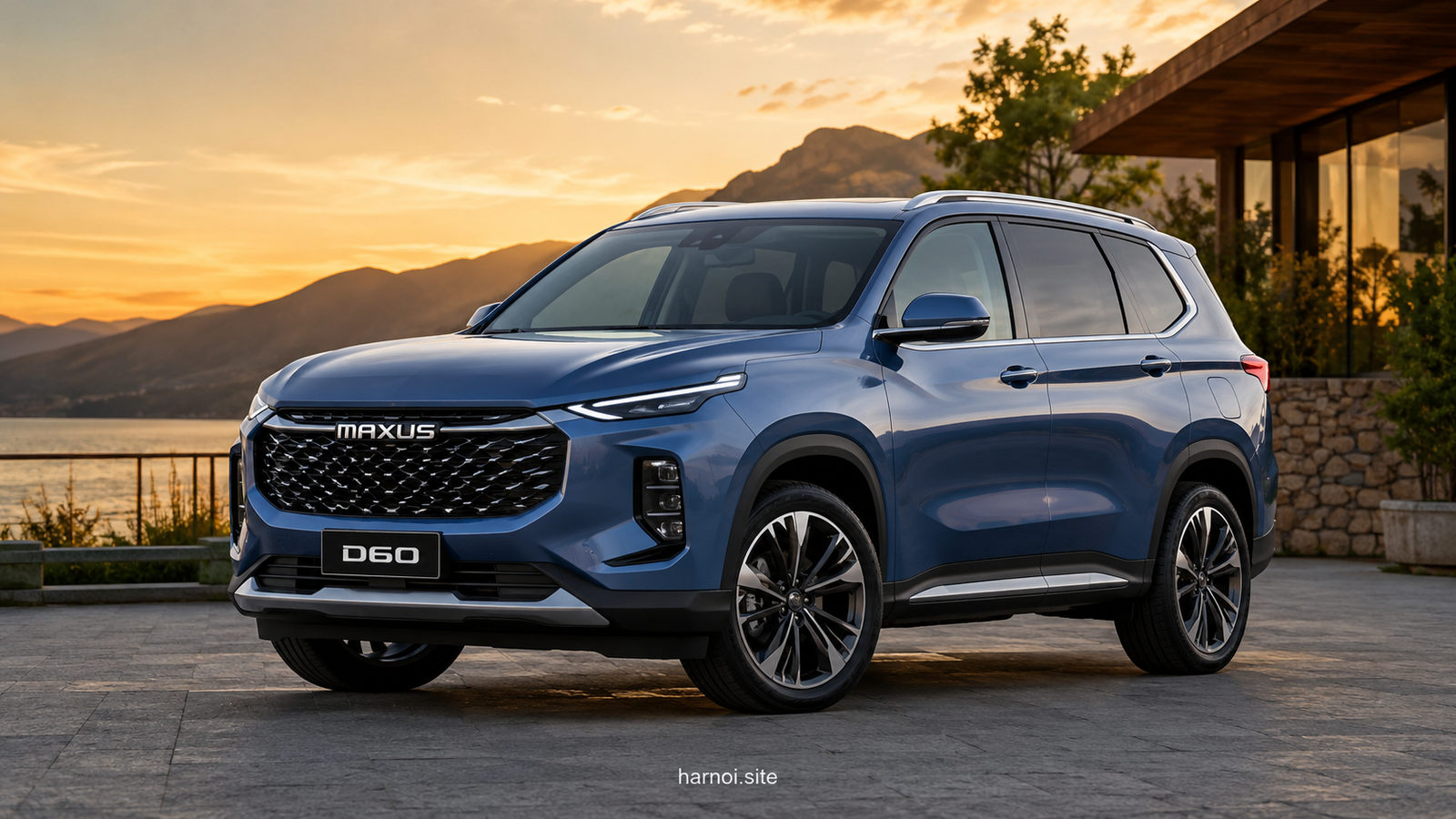
    The D60’s front end is dominated by a large octagonal grille with a honeycomb or “cobweb” mesh pattern, flanked by swept-back headlamps — full LED matrix units on upper trims — and integrated fog lamps. Character lines run the length of the body, wide wheel arches give it a planted stance, and the rear is finished with a unified LED tail-light bar and dual (often faux) exhaust tips. Wheel sizes range from 17 to 18 inches depending on variant, and higher trims add a panoramic sunroof and roof rails.

    Interior Design & Cabin Quality

    Inside, the cabin leans on a dark theme with silver or piano-black accents, soft-touch panels above the center console, and a three-spoke, leather-wrapped multifunction steering wheel. Entry trims get fabric seats while Elite/MAX trims move to leather or PVC-leather upholstery with 6-way electric adjustment for the driver. The dashboard pairs a digital instrument cluster (up to 12.3 inches on top trims) with a floating touchscreen, giving the cabin a reasonably modern layout for the price point. Rear passengers get their own AC vents, and the D60 offers a deep center console, multiple cupholders, and a usable glovebox.

    Engine Specifications

    The D60 is powered by a 1.5-liter turbocharged inline-4 gasoline engine (some earlier and export markets also offered a 1.3-liter turbo). Depending on market tuning, output ranges from roughly 159 hp to 170 hp, with torque figures between 250 Nm and 285 Nm on the more recent MAX-spec engine. It’s a direct-injection, intercooled unit sending power exclusively to the front wheels — there is no AWD option.

    Performance & Driving Experience

    Owner feedback consistently points to a lively mid-range punch from the turbo engine, particularly useful for overtaking on highways, paired with a transmission that shifts smoothly enough for daily driving. It won’t feel like a performance SUV, but the turbo motor avoids the flat, sluggish feel common in naturally aspirated rivals in this segment. Around town the electric power steering is light, and the chassis — tuned in part with input from Britain’s MIRA testing facility — stays composed over broken pavement.

    Fuel Economy (MPG / km/L)

    Maxus quotes fuel economy in the range of 14.4 to 15.3 km/L (roughly 34–36 mpg US) for the 1.5-liter turbo, with a claimed range of up to 1,008 km on a full tank in the updated MAX variant. Real-world figures will run somewhat lower depending on load, driving style, and traffic conditions, as with most turbocharged small-displacement engines.

    Transmission & Drivetrain

    All D60 variants use a 7-speed dual-clutch transmission (DCT) — a wet-clutch unit on the updated engine, which helps with heat management and smoothness compared to older dry-clutch DCTs. Drive is sent to the front wheels only; there’s no manual gearbox or all-wheel-drive option in current-generation markets, which positions the D60 firmly as an urban/highway family SUV rather than an off-roader.

    Ride Comfort & Handling

    Suspension is a conventional MacPherson strut front and multi-link independent rear setup. Combined with 17–18 inch wheels and reasonably tall sidewalls, the ride leans toward comfort over sharpness — a sensible choice for a family SUV. Cabin noise insulation is generally praised by owners, and the AC system is described as strong enough for hot climates, an important consideration given the D60’s popularity in the Gulf.

    Safety Features

    Standard and available safety equipment includes:

    • 4 to 6 airbags depending on trim (driver, front passenger, side)
    • Electronic Stability Program (ESP/ESC), traction control, and Hill Hold Control (HHC)
    • ABS with Electronic Brakeforce Distribution (EBA)
    • ISOFIX child seat anchors
    • Reversing camera and rear parking sensors (front sensors added on higher trims)
    • Electronic parking brake with auto-hold
    • Blind Spot Detection, Rear Cross-Traffic Alert, and Driver Attention Warning on upper trims
    • A body structure using a mix of high-strength and ultra-high-strength steel, with Maxus citing ANCAP crash-test evaluation for the platform

    This is a solid, if not class-leading, safety package — comparable to other Chinese mid-size crossovers, though it trails segment leaders like the Honda CR-V on standard advanced driver-assistance systems in base trims.

    Infotainment & Technology

    The D60 comes with an 8-inch touchscreen infotainment system with Bluetooth connectivity and a 6-speaker audio setup as standard. Higher trims add a larger digital instrument cluster, wireless phone charging, and additional connectivity features. It’s a functional, competent system rather than a class leader — buyers expecting Apple CarPlay/Android Auto or a larger central display should verify availability on their specific market’s trim, as this varies by region.

    Dimensions & Cargo Space

    • Length: 4,720 mm
    • Width: 1,860 mm
    • Height: 1,736 mm
    • Wheelbase: 2,760 mm

    These dimensions put the D60 in the mid-size crossover bracket, and the long wheelbase translates into a genuinely usable third row in 7-seat variants — though, as with most compact third rows, best reserved for children or shorter adults on longer trips. Cargo space is respectable in 5-seat configuration and shrinks noticeably with the third row in use, as expected for the segment.

    Available Trims & Variants

    Trim naming differs by market:

    • Philippines: Pro (5-seat) and Elite (7-seat)
    • Saudi Arabia: 1.5T Elite, 1.5T Executive, 1.5T Executive Luxury
    • UAE: D60 and D60 MAX, with MAX Luxury as the range-topper
    • Qatar: D60 sold alongside the larger D90 under regional dealer promotions

    Across markets, moving up the trim ladder typically adds leather seating, a panoramic sunroof, larger wheels, LED headlights, additional airbags, blind-spot monitoring, and the third-row seat option.

    Price (By Country/Region)

    Approximate 2026 pricing (subject to dealer promotions and exchange-rate movement):

    • UAE: roughly AED 66,000–84,000 depending on trim (D60 / D60 MAX Luxury)
    • Philippines: ₱1.24 million–₱1.338 million for Pro and Elite trims
    • Qatar: promotional pricing has started from around QAR 65,000
    • Saudi Arabia: priced competitively against the Geely Okavango and Jetour X70, with exact SAR figures best confirmed with local Maxus dealers, as regional promotions (including extended warranty bundles) shift frequently

    Given how much regional promotions move the needle, it’s worth checking current local dealer pricing before budgeting.

    Pros and Cons

    Pros

    • Punchy turbocharged engine for the segment
    • Spacious cabin with a genuinely usable 7-seat layout on top trims
    • Competitive pricing against Chinese and Japanese rivals
    • Reasonably comprehensive safety kit on higher trims
    • Long, sometimes region-specific warranty promotions

    Cons

    • No AWD or hybrid option in most markets
    • Base trims skimp on driver-assistance tech and airbag count
    • Infotainment system feels a generation behind class leaders
    • Third row is tight for adults
    • Resale value and long-term parts network still maturing compared to established Japanese/Korean brands

    Maxus D60 2026 vs Competitors

    The D60’s closest rivals vary by market but generally include the Geely Okavango, Chery Tiggo 7 Pro/Tiggo 8, Jetour X70, Toyota Rush, Suzuki Jimny, and — in markets where it’s cross-shopped on size — the Honda CR-V. Against the Okavango, the D60 tends to compete more on value than outright technology or interior space. Against the Tiggo 7 Pro and CR-V, the D60 undercuts on price while trailing slightly on brand reputation and resale value. Its trump card in most markets is the combination of turbocharged performance and a 7-seat layout at a lower starting price than most established-brand competitors.

    Maintenance Cost & Reliability

    As a relatively newer entrant from a Chinese manufacturer (SAIC, formerly linked to LDV/Leyland DAF Vans), the D60’s long-term reliability track record is still being established compared to Toyota or Honda. Regular servicing, parts availability, and dealer network coverage are improving steadily in the Gulf and Southeast Asia as Maxus expands its footprint, but buyers in markets with a thinner dealer network should factor in servicing convenience alongside the purchase price.

    Warranty Coverage

    Warranty terms vary significantly by distributor. Some regional dealers — notably in Saudi Arabia — have promoted extended coverage of up to 10 years with unlimited kilometers as a sales incentive, while other markets offer more conventional multi-year, limited-kilometer warranties bundled with free servicing periods (commonly 2 years or 40,000 km in promotional packages). Always confirm the exact warranty terms with your local dealership, since these details are set regionally rather than globally by Maxus.

    Who Should Buy the Maxus D60 2026?

    The D60 makes the most sense for:

    • Families who want third-row flexibility without paying for a larger SUV
    • Buyers prioritizing value and turbocharged performance over brand prestige
    • Urban and highway drivers who don’t need AWD or off-road capability
    • Shoppers comparing Chinese crossovers on features-per-dollar

    It’s a weaker fit for buyers who need proven long-term resale value, a widely available parts network in more remote areas, or all-wheel-drive capability.

    Frequently Asked Questions (FAQs)

    Does the Maxus D60 come with all-wheel drive? No, the D60 is front-wheel drive only across current markets.

    How many seats does the D60 have? It’s offered in both 5-seat and 7-seat configurations, depending on trim.

    What engine does the 2026 D60 use? A 1.5-liter turbocharged 4-cylinder gasoline engine, paired with a 7-speed dual-clutch transmission, producing roughly 159–170 hp depending on market tuning.

    Is the Maxus D60 good on fuel? Claimed fuel economy sits around 14.4–15.3 km/L, which is competitive for a turbocharged mid-size SUV.

    What is the starting price of the Maxus D60 2026? It varies widely by country — roughly AED 66,000 in the UAE and around ₱1.24 million in the Philippines are representative starting points, but always check current local pricing.

    Final Verdict

    The Maxus D60 2026 is a sensible, value-driven mid-size crossover that leans on a punchy turbo engine and flexible seating to stand out in a crowded segment. It won’t out-tech or out-refine the segment’s Japanese and Korean stalwarts, and its long-term reliability reputation is still being written, but for buyers focused on features and space per dollar spent, it’s a genuinely competitive option worth cross-shopping against the Tiggo 8, Okavango, and X70.

  • Maxus T90 Specifications & Review: A Practical Pickup for Everyday Use

    Maxus T90 Specifications & Review: A Practical Pickup for Everyday Use

    Overview

    The Maxus T90 is SAIC Motor’s flagship pickup truck, sitting above the smaller T60 and T70 in the Maxus lineup. It’s built to serve two audiences at once — commercial buyers who need a workhorse, and private buyers who want a comfortable, tech-loaded daily driver. Depending on the market, the T90 is sold under different names, including the LDV T60 Max (Australia/New Zealand) and Tornado 90 (some Middle Eastern markets), and it’s also offered in a fully electric form, the T90EV.

    Key Specifications

    SpecDetail
    Body styleDouble-cab mid-size pickup
    Engine options2.0L turbo-petrol, 2.0L bi-turbo diesel, electric (T90EV)
    Power (petrol)214 hp / 480 Nm
    Power (diesel)~215 hp / 500 Nm
    Transmission8-speed automatic (ZF)
    DrivetrainRWD (2WD) or 4WD with 2H/4H/4L modes
    PayloadUp to ~1,000 kg (1 tonne)
    Towing capacityUp to 3,500 kg (ICE); 1,000 kg (EV)
    Infotainment12.3-inch touchscreen, Apple CarPlay/Android Auto

    Engine & Performance

    The petrol T90 uses a 2.0-litre turbocharged four-cylinder producing 214 hp and 480 Nm of torque. Markets that get the diesel version instead have a 2.0-litre bi-turbo unit rated at around 215 hp and 500 Nm, which is the variant most buyers pick for towing and load-hauling duty since diesel torque arrives lower in the rev range. A newer 2.5-litre turbo-diesel has also appeared in some regional lineups, bumping output to roughly 221 hp and 520 Nm.

    Both ICE engines feel adequate rather than exciting — enough shove for fully loaded highway driving and overtaking, without being a performance pickup. The electric T90EV instead uses a 201 bhp motor fed by an 88.5 kWh battery, giving smooth, quiet off-the-line acceleration but with the usual trade-offs around range and payload-vs-range balance.

    Transmission & Drivetrain

    Every current T90 variant pairs its engine with a ZF-sourced 8-speed automatic — there’s no manual on modern trims. Drivetrain choice depends on trim: entry-level Executive trims are typically 2WD (RWD), while Luxury and Executive Luxury trims add selectable 4WD with 2H (rear-wheel), 4H (high-range four-wheel), and 4L (low-range four-wheel) modes for off-road or heavy-load situations.

    Fuel Economy

    Real-world fuel economy for the diesel sits in the same ballpark as class rivals like the Isuzu D-Max and Ford Ranger — reasonable for a mid-size diesel pickup, though it will vary meaningfully with load and driving style. The petrol variant is thirstier, which is why diesel remains the preferred choice for buyers doing serious towing or fleet mileage. The T90EV’s official range is rated at up to 205 miles (330 km), but real-world figures — especially at motorway speeds or in cold weather — tend to land closer to 130–150 miles.

    Exterior Design

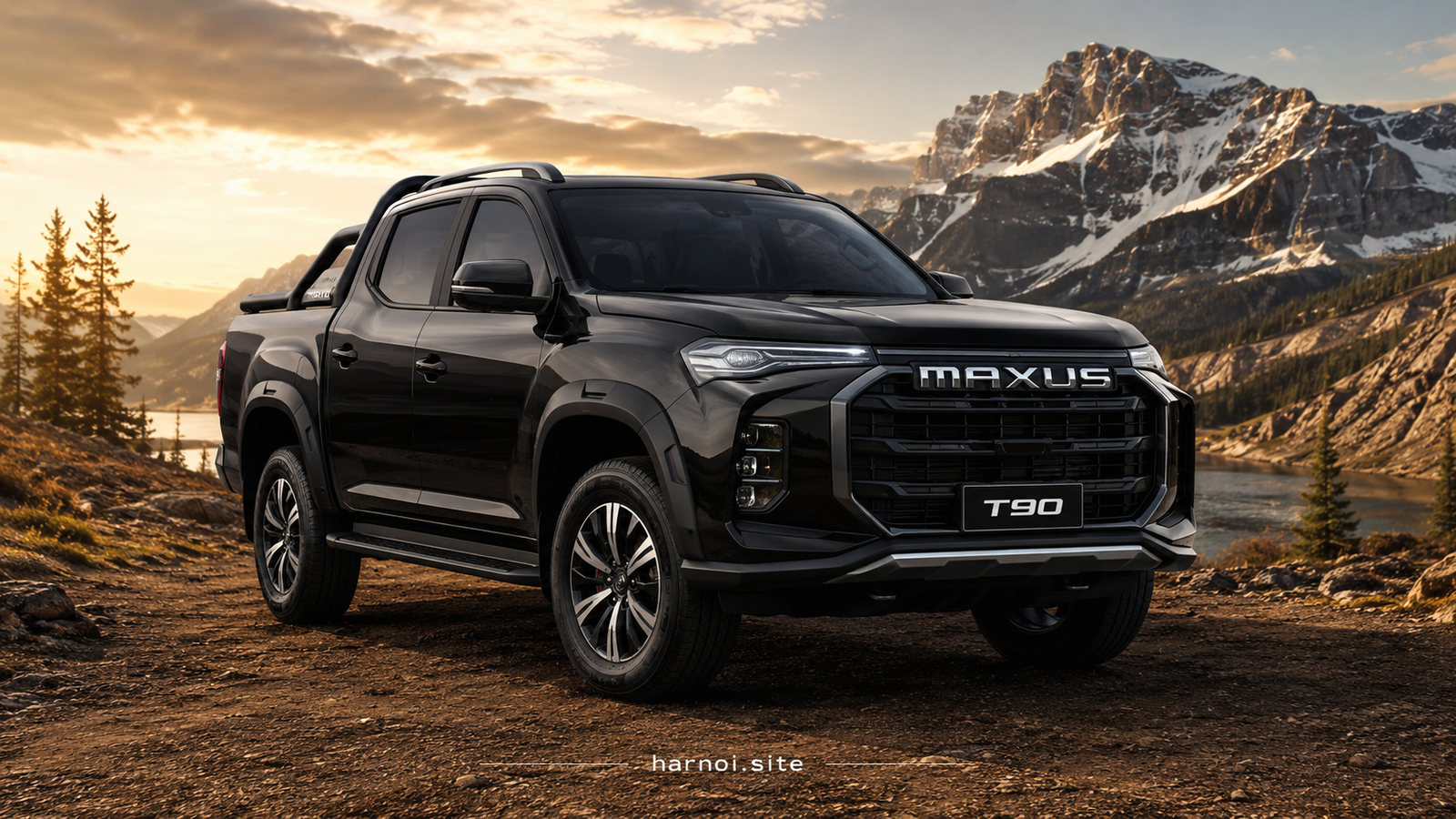
    The T90 leans into a bold, muscular look: a large grille (chrome or blacked-out depending on trim), LED headlights and daytime running lights, and a sculpted front bumper with air intakes. Trim walk-up brings visual upgrades — the entry Executive trim rides on 17-inch alloys with halogen lighting, the Luxury trim steps up to 18-inch wheels, LED headlamps, chrome door-handle and mirror trim, plus a side step, and the range-topping Executive Luxury trim gets 19-inch dual-tone alloys, a panoramic sunroof, and power-folding mirrors. All variants get a factory bed liner, tie-down points, and tailgate assist.

    Interior & Cabin Features

    Cabin quality scales sharply with trim level. The Executive gets cloth seats, manual air-con, and a basic digital cluster. The Luxury trim adds leatherette (artificial leather) upholstery, a power-adjustable driver’s seat, automatic climate control, and keyless entry with push-button start. At the top, the Executive Luxury trim brings full leather seats, ventilated fronts, dual-zone climate control, ambient lighting, and a premium sound system. It’s worth noting that some commercial-focused export markets (like the UK’s T90EV) get a far more utilitarian, hard-plastic-heavy cabin aimed squarely at business buyers rather than private comfort seekers.

    Technology & Infotainment

    Across the range, a 12.3-inch touchscreen (some markets get a 10.25-inch unit) handles infotainment duties, with Apple CarPlay, Android Auto, Bluetooth, and USB connectivity standard. A digital instrument cluster shows real-time trip, fuel, and tyre-pressure data. Higher trims add wireless phone charging, a reversing camera, and steering-wheel audio controls, while the Executive Luxury trim tops out with a 360-degree surround-view camera and remote engine start. China-market T90s also get SAIC’s Zebra Zhixing system, with voice recognition and smart-home integration — features that don’t necessarily carry over to export markets.

    Safety Features

    Standard safety kit includes ABS, electronic stability control, traction control, hill-start assist, brake assist, and dual front airbags. Move up to Luxury and Executive Luxury trims and you gain lane departure warning, rear cross-traffic alert, blind-spot detection, and parking sensors. The T90 has also received a 5-star ANCAP safety rating in at least one tested configuration, putting it in line with established rivals on paper — though buyers should always check the rating for their specific market and model year, since ANCAP scores don’t always carry across regions.

    Comfort & Practicality

    Seating for five with decent head and legroom in both rows is a consistent strength across markets. Practical touches — a centre armrest, large door pockets, and under-seat storage — help make the cabin usable for daily family duty as well as work trips. Ride comfort is a mixed bag: the diesel and petrol versions ride reasonably well for a leaf-sprung pickup, but the EV variant, thanks to extra battery weight and a stiffened rear suspension, has been reported to feel busier and less settled on rough tarmac.

    Cargo Bed & Towing Capacity

    The T90’s payload capacity lands around 1,000 kg (1 tonne) across most ICE variants, which is competitive for the mid-size pickup class. Braked towing capacity on diesel and petrol models can reach up to 3,500 kg, again keeping pace with rivals like the Ranger and Hilux. The T90EV is more limited, rated at just 1,000 kg towing — and maxing out that allowance eats into how much you can simultaneously carry in the bed.

    Driving Experience

    On the road, the T90 drives like a typical leaf-sprung, body-on-frame pickup: composed enough on smooth surfaces, with light, easy steering that makes it manageable around town, but without much steering feedback or cornering sharpness. The 4WD system with drive-mode selection (Eco/Normal/Power or Eco/Sport/Off-Road depending on market) adds useful flexibility for occasional off-road or towing situations. The EV variant trades some of that predictability — it’s quiet and smooth around town but feels heavier and less planted through corners, with reduced ground clearance compared to the combustion versions.

    Variants & Trim Levels

    Trim naming varies by market, but the general structure is:

    • Executive – entry trim, 2WD, cloth seats, 17-inch wheels, manual air-con
    • Luxury – adds 4WD option, leatherette, automatic climate control, 18-inch wheels, keyless entry
    • Executive Luxury – range-topper with full leather, sunroof, 360-camera, 19-inch wheels, ventilated seats
    • T90EV – single-spec electric double-cab variant in markets where it’s offered

    Some markets (UAE, for instance) list up to four distinct configurations when powertrain and drivetrain combinations are counted separately.

    Dimensions

    Overall length comes in at roughly 5,990 mm, with a width of about 2,330 mm (including mirrors) and height around 2,156 mm, per manufacturer figures for recent model years — putting it firmly in line with mid-size double-cab rivals. Ground clearance differs meaningfully by powertrain: combustion variants offer around 220 mm or more, while the T90EV’s clearance drops to about 187 mm due to its underslung battery pack.

    Pros and Cons

    Pros:

    • Strong power and torque figures for the segment
    • Generous payload and towing capacity on ICE variants
    • Well-equipped infotainment and safety kit on higher trims
    • Distinctive, bold styling
    • Competitive pricing against established rivals

    Cons:

    • Interior quality varies a lot by market and trim — some export versions feel basic
    • EV variant has limited real-world range and reduced ground clearance
    • Less established dealer and resale network than Toyota, Ford, or Isuzu
    • Ride can feel unsettled on rougher roads, especially unladen
    • Not officially sold in every market (availability is inconsistent region to region)

    Maintenance & Reliability

    As a newer entrant from SAIC/Maxus, the T90 doesn’t yet have the decades-long reliability track record of the Hilux or D-Max. That said, several regional distributors back it with long warranties — five years or 200,000 km in Saudi Arabia, for example — which suggests reasonable manufacturer confidence. Service networks are more limited than for Toyota or Ford, so it’s worth checking dealer and parts availability in your specific area before buying, particularly for the diesel’s turbo and injection components, which are the usual wear points on this class of engine.

    Who Should Buy the Maxus T90?

    The T90 makes the most sense for buyers who want pickup-truck capability — payload, towing, and 4WD — without paying Toyota or Ford prices, and who are comfortable with a newer, less-established brand in exchange for a strong equipment list. It suits small business owners, tradespeople, and families who want a dual-purpose vehicle for work and weekend use. Buyers who prioritize resale value, long-term reliability data, or a dense service network may still lean toward more established rivals.

    Price (Country-wise if available)

    • Saudi Arabia: starts around SAR 102,250, with an average market price near SAR 117,016 depending on trim
    • UAE: around AED 96,000 for the T90 (T90EV pricing is typically quoted on request)
    • Australia (as LDV T60 Max): diesel Pro from roughly AUD 37,884 (auto), Luxe/Plus trims from around AUD 42,621; the electric eT60 is priced from about AUD 92,990
    • UK (T90EV only): commercial buyers should expect pricing in the region of £60,000 before incentives, reflecting its single high-spec configuration
    • Pakistan: the Maxus T90 does not currently have an official, confirmed local launch or PKR pricing — if you’re shopping in Pakistan, it’s worth checking with authorized Maxus/SAIC distributors directly for the latest availability, since pricing can change quickly and unofficial import pricing is not a reliable guide

    Competitors

    The T90 goes up against a crowded and well-established mid-size pickup field, including the Toyota Hilux, Ford Ranger, Isuzu D-Max, Volkswagen Amarok, Mitsubishi L200, and GWM Poer. Most of these rivals have longer track records, denser dealer networks, and stronger resale value — the T90’s pitch against them rests mainly on price, equipment-per-dollar, and styling.

    Final Verdict

    The Maxus T90 is a genuinely capable mid-size pickup on paper — solid power, competitive payload and towing, and a features list that undercuts pricier established rivals. Where it asks for a leap of faith is in the intangibles: brand history, resale value, and service network density that take years to build. For buyers prioritizing value and willing to be an early adopter of the brand in their market, it’s a reasonable — sometimes compelling — alternative to the usual Hilux/Ranger/D-Max shortlist. For buyers who want the safest, most proven choice, the established players still have the edge.

    Frequently Asked Questions (FAQs)

    Is the Maxus T90 available with 4WD? Yes, though it depends on trim — entry-level trims are typically 2WD, while Luxury and Executive Luxury trims offer selectable 4WD with low-range gearing.

    What’s the towing capacity of the Maxus T90? ICE variants can tow up to 3,500 kg (braked), while the T90EV is rated at 1,000 kg.

    Does the Maxus T90 have a diesel engine? Yes, a 2.0-litre bi-turbo diesel (with a newer 2.5-litre turbo-diesel in some markets) is offered alongside the 2.0-litre turbo-petrol, depending on region.

    Is there an electric version of the T90? Yes, the T90EV, powered by an 88.5 kWh battery and a 201 bhp motor, with an official range of up to 205 miles that tends to be lower in real-world conditions.

    Is the Maxus T90 sold in Pakistan? As of now, there’s no confirmed official launch or local pricing for the T90 in Pakistan — check with authorized dealers for the latest status before assuming availability.

    How does the T90 compare to the Toyota Hilux and Ford Ranger? It competes closely on power, payload, and towing specs, and often undercuts both on price and equipment level, but it doesn’t yet match their reliability track record or resale value.

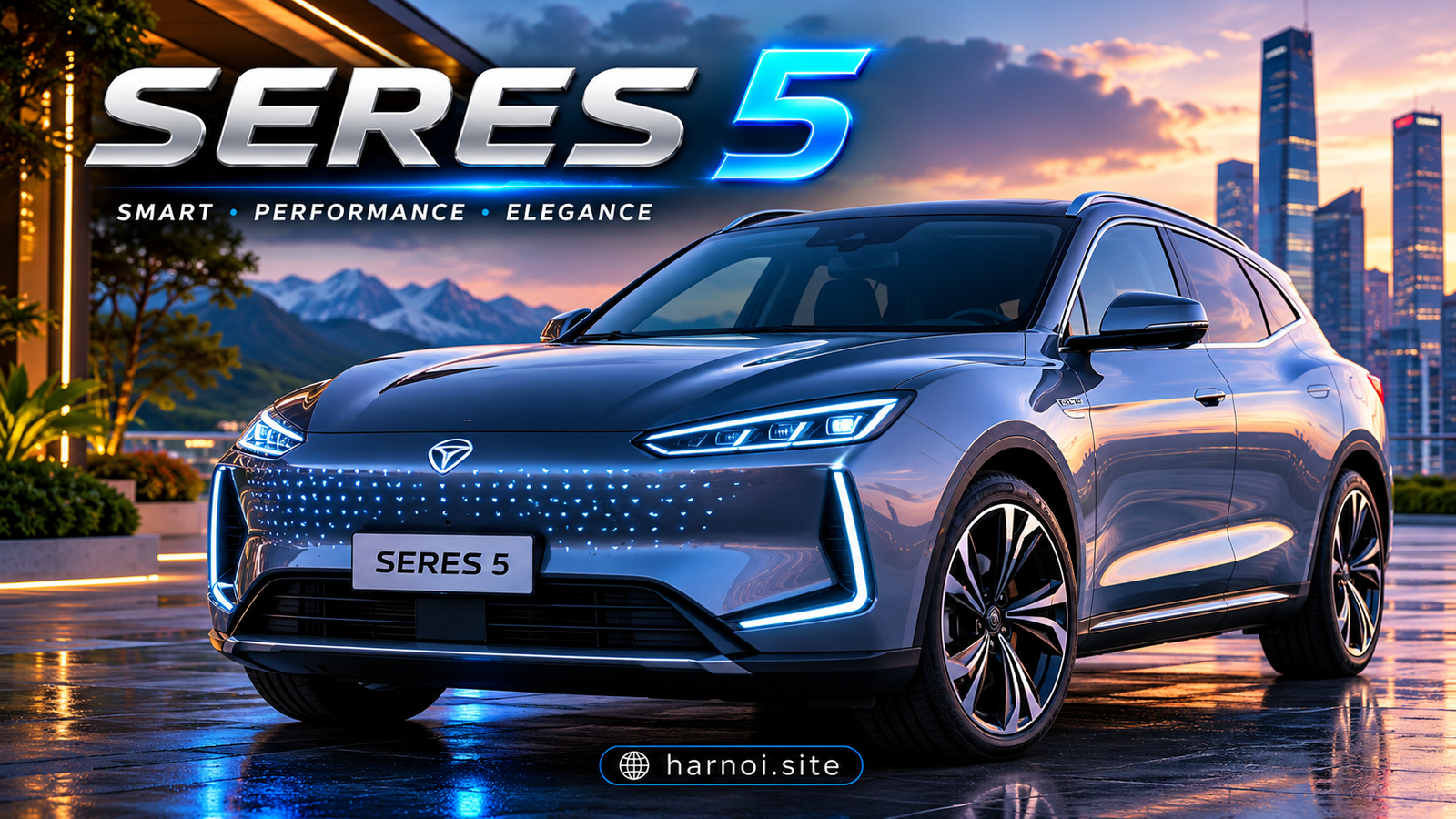
  • Seres 5 Electric Crossover Review: A Premium EV with Impressive Range

    Seres 5 Electric Crossover Review: A Premium EV with Impressive Range

    Overview

    The Seres 5 is a mid-size electric crossover from Seres (formerly known as SF Motors/Seres SF5 in China), built as the global-market EV variant of the Seres A5/SF5 platform. Positioned to compete directly with the Tesla Model Y, the Seres 5 pairs a long-range LFP battery lineup with strong dual-motor performance and a tech-forward cabin. It’s currently sold across Europe, the Middle East, Southeast Asia, and other right-hand-drive markets as Seres expands beyond China, with the brand targeting large volume growth outside its home market over the next several years.

    Exterior Design

    The Seres 5 wears a sleek, coupe-like silhouette with flowing character lines that give it a more dynamic profile than a typical boxy crossover — some reviewers have compared its proportions to European rivals like the Mercedes A-Class. Full-width LED light bars front and rear, a smoothed-over grille (typical of EV design language), flush door handles, and large 20-inch alloy wheels wrapped in Pirelli P Zero tires all contribute to a premium, aerodynamically efficient look designed to maximize range as much as curb appeal.

    Interior & Cabin Quality

    Step inside and the Seres 5 leans into a minimalist, screen-dominated cabin. Higher trims get Nappa leather upholstery, 12-way power-adjustable front seats with heating, ventilation, memory, and massage functions, a panoramic glass roof, and 64-color ambient lighting. Build quality feels a notch above what buyers might expect from a relatively new entrant, with soft-touch materials on the dash and door panels and tight panel gaps throughout the test cars reviewers have driven.

    Technology & Infotainment

    The centerpiece is a large central touchscreen (reported between 12.3 and 15.6 inches depending on market and trim) paired with a 10.25-inch digital driver display. The system supports wireless Apple CarPlay and Android Auto, over-the-air updates, and a suite of connected-car features. Convenience touches include a wireless phone charger, multiple USB-C and USB-A ports, and dual-zone automatic climate control.

    Battery, Motor & Performance

    The Seres 5 lineup is built around lithium iron phosphate (LFP) battery packs, prized for their longevity and thermal stability over the nickel-based chemistries used in some rivals:

    • 2WD Standard: 80 kWh battery, single rear motor producing roughly 220 kW (295 hp) and 420 Nm of torque, 0–100 km/h in about 6.8 seconds
    • 4WD Premium: 80 kWh battery, dual-motor AWD with a combined output of roughly 430 kW (577 hp) and 940 Nm of torque, 0–100 km/h in around 4 seconds
    • 4WD Flagship: Steps up to a larger ~90 kWh semi-solid-state battery while retaining the dual-motor AWD powertrain, with similarly rapid acceleration

    The dual-motor variants deliver genuine performance-EV numbers, putting the Seres 5 on paper ahead of many mainstream crossover EVs in a straight line, while the single-motor Standard trim prioritizes efficiency and value.

    Driving Range & Charging

    WLTP-rated range varies by variant:

    • 2WD Standard (80 kWh): up to roughly 500 km (310 miles)
    • 4WD Premium (80 kWh): around 483 km (300 miles), slightly lower due to the added weight and power draw of the second motor
    • 4WD Flagship (90 kWh): up to roughly 530 km (329 miles), the longest-range option in the lineup

    DC fast charging is a strong point across the range, with most variants able to recover a 20–80% charge in well under an hour (figures reported range from roughly 30 to around 50 minutes depending on variant, charger power, and conditions). Onboard AC charging tops out at 11 kW for overnight or destination charging.

    Safety Features

    Seres has equipped the 5 with a comprehensive active and passive safety package, including:

    • Forward Collision Warning (FCW) and Automatic Emergency Braking (AEB)
    • Lane Departure Warning (LDW) and Lane Keeping Assist (LKA)
    • Blind Spot Detection (BSD) and Rear Cross Traffic Alert (RCTA)
    • Lane Change Assist (LCA) and Intelligent High Beam (IHB)
    • Multiple airbags (up to 10 depending on market/trim), tire pressure monitoring, and stability control
    • A body structure using a high proportion of high-strength and hot-formed steel for crash protection

    Comfort & Practicality

    The cabin is genuinely spacious for the segment, with a wheelbase of around 2,875 mm translating into generous rear legroom. Dual-zone climate control, heated/ventilated seats, and a well-insulated cabin (Seres cites reduced road and wind noise as a design priority) make it comfortable for daily commuting and longer trips alike.

    Cargo Space

    Trunk capacity is reported to range from roughly 369 to 776 liters depending on configuration and rear seat position, giving the Seres 5 competitive practicality for family use, weekend trips, or hauling gear, though Seres has not confirmed a front trunk (frunk) on the electric variants.

    Driving Experience

    On the road, the Seres 5 feels composed rather than harsh, prioritizing a comfort-oriented ride over outright sportiness — though the dual-motor variants have more than enough power on tap for confident overtaking and highway merging. Given the platform’s roots as a converted hybrid SUV rather than a ground-up EV design, some reviewers note it doesn’t feel quite as dynamically sharp as purpose-built EV rivals, but it still delivers a smooth, quiet, and refined experience for most driving situations.

    Ride Quality & Handling

    The Seres 5 uses a front double-wishbone and rear multi-link independent suspension setup, a more sophisticated arrangement than the simple strut setups found on many crossovers in this price range. This contributes to a ride that soaks up bumps well while keeping body roll in check during cornering. Steering is light and easy to manage in town, though it doesn’t offer huge amounts of feedback for drivers who want a sportier feel.

    Available Variants & Trim Levels

    Depending on the market, the Seres 5 is typically offered in three core configurations:

    1. 2WD Standard – 80 kWh battery, single rear motor, longest single-motor range
    2. 4WD Premium – 80 kWh battery, dual-motor AWD, strong performance
    3. 4WD Flagship – 90 kWh semi-solid-state battery, dual-motor AWD, longest overall range

    Some markets also list Comfort and Premium equipment tiers layered on top of these powertrain configurations, affecting features like seat upholstery, sunroof, and driver-assistance packages.

    Specifications

    Spec2WD Standard4WD Premium4WD Flagship
    Battery80 kWh LFP80 kWh LFP~90 kWh semi-solid-state
    DriveRWD, single motorAWD, dual motorAWD, dual motor
    Power~220 kW / 295 hp~430 kW / 577 hp~430 kW / 577 hp
    0–100 km/h~6.8 sec~4.0 sec~4.0 sec
    WLTP Range~500 km~483 km~530 km
    DC Fast Charge (20–80%)under ~42 minunder ~42 minunder ~51 min
    AC Charging11 kW11 kW11 kW
    Wheelbase2,875 mm2,875 mm2,875 mm
    Cargo capacityup to ~776 Lup to ~776 Lup to ~776 L

    Note: Specs vary by market/region; figures above reflect commonly reported values and should be confirmed with your local dealer.

    Pros

    • Excellent WLTP range, especially on the Flagship variant
    • Strong dual-motor performance for the price
    • Spacious, well-equipped, premium-feeling cabin
    • Sophisticated double-wishbone/multi-link suspension for a comfort-focused ride
    • Comprehensive suite of driver-assistance safety features
    • Fast DC charging across the lineup

    Cons

    • Platform is adapted from a hybrid SUV rather than a dedicated EV architecture, which can show in outright dynamic sharpness
    • Brand is new to many Western markets, meaning limited long-term reliability data and a smaller dealer/service network
    • No confirmed frunk
    • Pricing and exact specs vary noticeably by market, making direct comparisons tricky

    Price

    Pricing differs significantly by market. As examples reported in various regions:

    • Norway: from roughly NOK 599,000 (about $57,000)
    • UAE: starting around AED 199,000–230,000 depending on variant
    • Other markets list entry pricing in the mid-$30,000s to $50,000+ range depending on battery size and drivetrain

    Because Seres prices and configures the 5 differently by country, buyers should check with a local dealer or the official regional Seres website for exact, current pricing.

    Competitors

    The Seres 5 goes up against a crowded field of mid-size electric crossovers, including:

    • Tesla Model Y
    • Volkswagen ID.4
    • Ford Mustang Mach-E
    • Audi Q4 e-tron
    • Nissan Ariya
    • Hyundai Kona Electric

    Against this group, the Seres 5’s strongest selling points are its range (particularly the Flagship trim) and dual-motor performance for the money, while its main disadvantages are brand recognition and charging network familiarity compared to more established players like Tesla.

    Who Should Buy the Seres 5?

    The Seres 5 makes the most sense for buyers who want maximum range and strong performance per dollar, are comfortable with a newer brand in their market, and prioritize cabin comfort and tech over outright driving sharpness. Families needing rear-seat space and cargo room, plus commuters who want fast DC charging for longer trips, are a particularly good fit.

    Final Verdict

    The Seres 5 is a genuinely compelling proposition on paper: strong range, quick acceleration in dual-motor form, a comfortable and well-equipped cabin, and competitive pricing in the markets where it’s sold. Its biggest hurdles are the same ones facing any newer EV brand entering established markets — unproven long-term reliability and a smaller support network — rather than anything wrong with the car itself. For buyers willing to take a chance on a newer name, the Seres 5 offers a lot of EV for the money.

    Frequently Asked Questions (FAQs)

    What is the range of the Seres 5? Depending on variant and battery size, the Seres 5 offers a WLTP-rated range of roughly 483 to 530 km (300–329 miles).

    Is the Seres 5 all-wheel drive? The Premium and Flagship trims use dual-motor AWD, while the Standard trim is single-motor RWD.

    How fast does the Seres 5 charge? Most variants can DC fast-charge from 20% to 80% in well under an hour, with times ranging from roughly 30 to 51 minutes depending on variant and battery.

    How much does the Seres 5 cost? Pricing varies by market, from roughly the mid-$30,000s up to $57,000+ depending on region, trim, and currency/incentives.

    Who makes the Seres 5? Seres, a Chinese automaker (formerly known as SF Motors), manufactures the 5 as the global-market EV version of its SF5/A5 platform.

    What are the Seres 5’s main competitors? The Tesla Model Y, Volkswagen ID.4, Ford Mustang Mach-E, Audi Q4 e-tron, and similar mid-size electric crossovers.

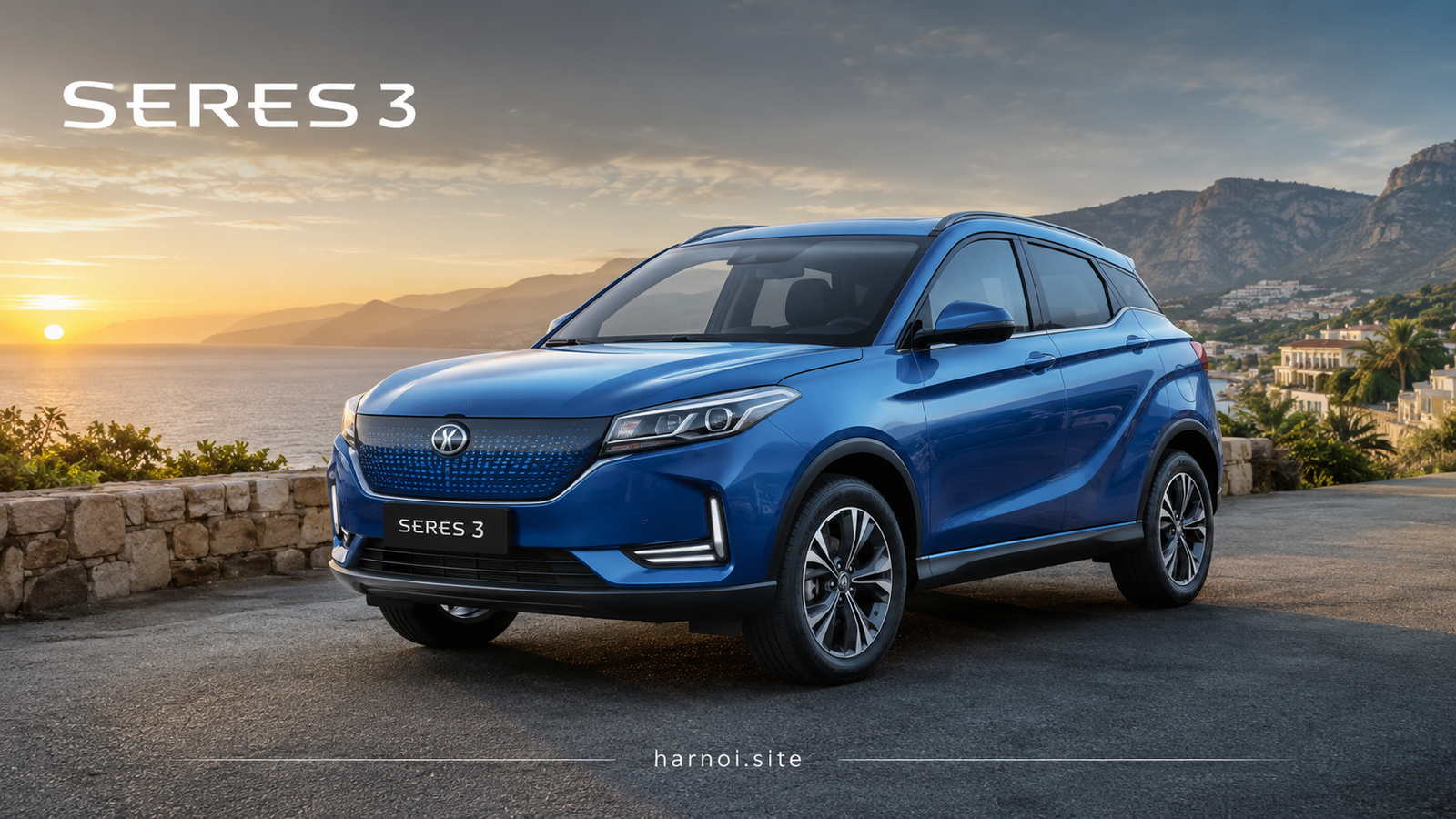
  • Seres 3: Complete Review, Specifications, Battery Range & Reliability

    Seres 3: Complete Review, Specifications, Battery Range & Reliability

    Note: The Seres 3 (sold in China since 2019 as the Fengon E3, and marketed by Seres — a brand tied to Dongfeng) is offered across several markets including China, France, Germany, Italy, Spain, the Netherlands, Israel, and Singapore. Specs, pricing, and available features vary meaningfully by market and model year, so figures below should be treated as representative rather than universal. Where sources disagree, that’s noted.

    Introduction

    The Seres 3 is a budget-oriented electric compact SUV aimed at buyers who want to get into an EV without spending Tesla or mainstream-brand money. It’s not trying to be exciting — it’s trying to be affordable, practical, and easy to live with. Whether it succeeds at that depends heavily on which market you’re buying in and which reviewer you ask, since opinions on this car range from “solid value” to genuinely scathing.

    Exterior Design

    The styling is conservative rather than flashy — clean lines, a fairly generic SUV silhouette, and a front fascia with LED headlights and a prominent grille. It won’t turn heads next to something like a BYD Atto 3, but it also doesn’t look cheap or awkward. It’s the kind of design that’s meant to blend in rather than make a statement.

    Interior & Cabin Quality

    Cabin quality is a mixed bag. The dashboard layout borrows visual cues from more premium brands — the center console and air vents have drawn comparisons to Mercedes-Benz’s EQA, and blue contrast stitching on the seats is a deliberate nod to the car’s electric identity. That said, materials lean heavily on hard plastics, and while faux leather is available on higher trims, several reviewers note it doesn’t do much to elevate the overall feel compared to rivals like the MG ZS EV. The floor is flat, which helps rear legroom, but the rear seats sit low, which some testers found less comfortable for longer trips.

    Battery Capacity

    The Seres 3 uses a lithium-ion battery pack, with usable capacity reported between roughly 52.5 kWh and 53.6 kWh depending on the source and market. This isn’t a huge pack by 2026 standards, which is reflected in the car’s mid-pack range figures.

    Electric Motor & Performance

    A single permanent-magnet synchronous motor drives the front wheels, producing figures in the 160–163 hp (roughly 120 kW) range and 300 Nm of torque across most reported specs. It’s worth flagging that one independent French reliability review found the motor’s output can taper off significantly as the battery depletes — dropping to around 109 hp once the pack reaches roughly 50% charge — which would noticeably affect acceleration and responsiveness later in a charge cycle. This kind of power-tapering behavior wasn’t something other reviewers highlighted as strongly, so it may vary by market or software version, but it’s a point worth asking about if you’re test-driving one.

    Driving Range

    Official WLTP range figures range from about 300 km to 331 km depending on the specific trim and market — figures that place it squarely in “compact budget EV” territory rather than anywhere near long-range EVs. NEDC-cycle figures (a more optimistic older test standard, mostly relevant to the Chinese market) claim over 400 km, but WLTP or real-world numbers are the more useful reference for most buyers.

    Charging Time & Charging Options

    • AC home/wall charging: With a 6.6 kW onboard charger, a full charge from empty takes roughly 7–9 hours.
    • DC fast charging: Maximum DC charging power is reported anywhere from 60 kW to 100 kW depending on the source, with a 10–80% top-up taking approximately 30–45 minutes under ideal conditions.
    • One notable red flag: at least one in-depth European road test reported the car occasionally refusing to connect to certain modern public fast chargers, along with unexplained charging interruptions — a real-world reliability concern rather than a spec-sheet issue.

    Top Speed & Acceleration

    Top speed sits around 160 km/h, with 0–100 km/h acceleration coming in at about 8.9 seconds. This is unremarkable performance — adequate for city and highway merging, but not quick by modern EV standards, where even budget rivals often dip under 8 seconds.

    Dimensions & Cargo Space

    The Seres 3 is roughly Hyundai Kona-sized. Boot space is a competitive 490 liters, which is solid for the compact SUV segment and useful for family or weekend-trip duty. Towing capacity, however, is rated at 0 kg for both braked and unbraked trailers — this is not a car built with towing in mind, aside from aftermarket bike-carrier solutions some third parties offer.

    Safety Features

    This is one of the more inconsistent areas depending on trim and market. Some configurations include 360-degree camera views, lane-keep assist, and forward collision warning. However, at least one European test unit reportedly shipped with just two airbags on the base model and lacked autonomous emergency braking or blind-spot monitoring — both increasingly considered baseline expectations in the segment. The reversing camera and 360-degree system have also been criticized for poor screen quality and reduced visibility in bright sunlight. If safety tech is a priority, checking the exact trim and market-specific safety package before buying is essential.

    Technology & Infotainment

    A 10.25-inch touchscreen is standard, paired with a 7-inch digital instrument cluster on most trims. Smartphone integration is inconsistent across markets and sources — some report Apple CarPlay support without Android Auto, others report neither, with screen-mirroring offered as a workaround instead. Software responsiveness has also drawn criticism, with multiple reviews citing laggy menus, an occasionally freezing reverse camera feed, and recurring software bugs.

    Comfort & Practicality

    Ride comfort is a genuine bright spot — soft suspension tuning filters out road imperfections well, and cabin noise insulation is reasonable for the price point. Rear passenger space is generous thanks to the flat floor, though taller rear passengers may find headroom tight due to the sloped roofline. Front seats are comfortable for shorter trips, but a few reviews note lumbar support could be better for longer journeys.

    Driving Experience

    City driving is where the Seres 3 is most at home — light steering, smooth power delivery, and easy maneuverability. Push it onto the highway or into corners, though, and its limitations show: motor noise increases, body control loosens over uneven surfaces, and steering feedback is minimal at speed. Regenerative braking has also been criticized as inconsistent, with one tester describing it as producing an unwanted “bunny-hop” sensation, and multiple reviews flagging overall braking distances as longer than segment norms.

    Real-World Efficiency

    Energy consumption is reported around 18 kWh/100 km in real-world testing, which is reasonable for a compact electric SUV, though actual efficiency (and therefore real-world range) will vary with driving style, climate, and terrain — as with any EV.

    Reliability & Common Issues

    Reliability opinions genuinely diverge depending on the source:

    • Some outlets (particularly those closer to official marketing content) describe Seres as building a reputation for dependable EVs with reduced maintenance needs due to fewer moving parts.
    • Independent European road tests and reliability write-ups tell a rougher story: charging connection failures at public stations, unexplained charge interruptions, power output that reportedly tapers as the battery depletes, underwhelming brake performance, and persistent infotainment software bugs.
    • One especially critical review from an EV-focused Australian outlet ranked it among the worst EVs the reviewer had personally driven, citing the DC charging failures and poor overall drive quality as major factors.

    The takeaway: this is not a car with a long, proven reliability track record the way an established brand would have. Early ownership reports are mixed, and buyers should weigh the lower purchase price against a real chance of dealing with software glitches or charging quirks.

    Maintenance & Service Costs

    As with most EVs, there’s no oil changes, timing belts, or exhaust system to worry about, which keeps routine maintenance costs down. Seres backs the car with a 7-year/150,000 km warranty in at least the French market, which is a meaningful safety net given the brand’s limited track record. That said, dealer network density is thin in some markets — one reviewer in France noted encountering barely any other Seres 3s on the road despite dozens of listed dealers, which raises legitimate questions about long-term parts and service availability if the brand doesn’t grow its footprint.

    Pros and Cons

    Pros:

    • Competitive, aggressive pricing relative to established EV rivals
    • Generous boot space (490 L) and flat-floor rear cabin
    • Comfortable, compliant ride quality on most road surfaces
    • Long warranty coverage (7 years/150,000 km in some markets)
    • Decent equipment levels for the price, including a large touchscreen

    Cons:

    • Mixed-to-poor real-world reliability reports, especially around DC fast charging
    • Reported power degradation as the battery depletes (per at least one independent test)
    • Weak, inconsistent braking performance
    • Inconsistent or missing Apple CarPlay/Android Auto support depending on market
    • Sparse dealer network in some regions, raising service/parts concerns
    • Safety equipment varies by trim and can lag segment expectations (limited airbags, no AEB in some configurations)

    Seres 3 vs Competitors

    Compared to segment rivals like the MG ZS EV, BYD Atto 3, Hyundai Kona Electric, and MG4, the Seres 3 doesn’t clearly win on price in every market — in France, for instance, the MG4 has undercut it, and the Kona Electric has been priced close to it despite being a more established nameplate. Where the Seres 3 competes best is in cargo space and ride comfort; where it lags is in tech polish, safety equipment consistency, and reliability reputation. Buyers cross-shopping this segment should weigh brand track record and after-sales support as heavily as the spec sheet.

    Is the Seres 3 Worth Buying?

    It depends heavily on your priorities and risk tolerance. If a low purchase price and decent day-to-day comfort matter more than a proven reliability record and robust safety tech, the Seres 3 is a reasonable, if unglamorous, way into EV ownership. If you want a known quantity — strong crash-test history, mature charging reliability, a dense service network — established rivals from Hyundai, Kia, or even other Chinese brands like BYD currently have stronger track records.

    Final Verdict

    The Seres 3 is a car of contrasts: comfortable but underwhelming to drive with enthusiasm, generously specced on paper but inconsistent in real-world execution, and aggressively priced but backed by a newer, less-proven brand. It’s best suited to buyers who want a low-stakes, low-cost entry into EV ownership for straightforward commuting and errands — not to those seeking a polished or worry-free ownership experience. As with any newer-to-market brand, it’s worth test-driving the specific trim and market version you’re considering, and asking dealers directly about known charging and software issues before signing anything.

    Frequently Asked Questions (FAQ)

    What is the real-world range of the Seres 3? Official WLTP figures range from about 300–331 km depending on market and trim. Real-world range will typically run somewhat lower, especially in cold weather or at sustained highway speeds.

    How long does it take to charge a Seres 3? Around 7–9 hours on a home AC wall charger (6.6 kW), or roughly 30–45 minutes for a 10–80% DC fast charge, though some owners have reported issues connecting to certain public fast chargers.

    Does the Seres 3 support Apple CarPlay or Android Auto? This varies by market and source — some configurations reportedly support Apple CarPlay only, others report neither being available, with screen mirroring offered as an alternative.

    Is the Seres 3 reliable? Reliability reports are mixed. Some sources describe it as dependable with low maintenance needs typical of EVs, but independent testing has flagged DC charging issues, possible power degradation as the battery depletes, and infotainment software bugs. Its track record is limited given the brand’s relatively short time on the global market.

    How much does the Seres 3 cost? Pricing varies significantly by market — for example, roughly €33,990–€36,990 in France, or around S$160,000 in Singapore, before local incentives or rebates. Check current local pricing, as this shifts often and regional EV incentives can substantially change the effective cost.

    What is the warranty on the Seres 3? At least in the French market, Seres offers a 7-year/150,000 km warranty, which is longer than many competitors — a potentially reassuring factor given the brand’s newer status.

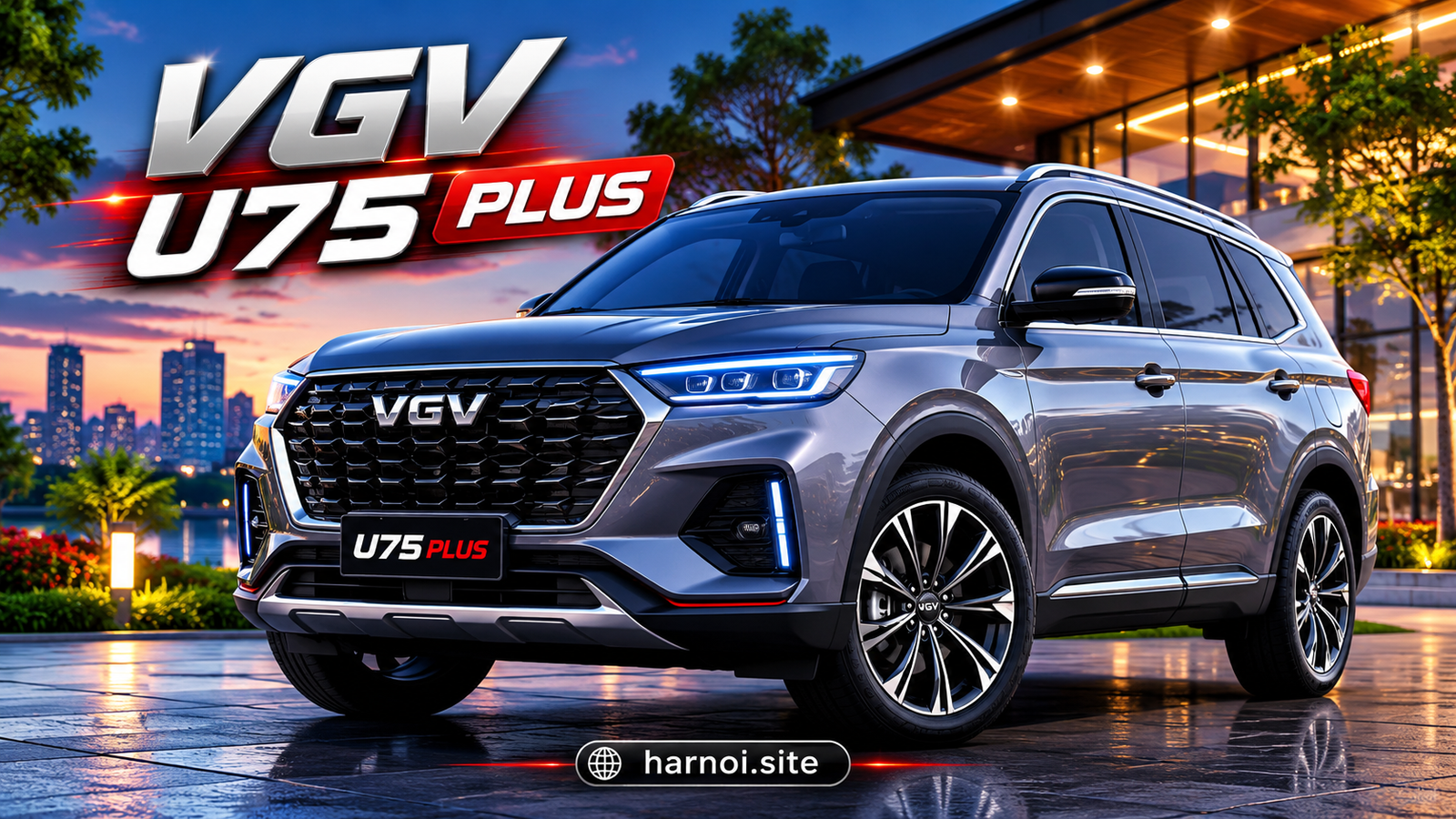
  • VGV U75 Plus Review: Everything You Need to Know Before Buying

    VGV U75 Plus Review: Everything You Need to Know Before Buying

    1. Introduction

    The VGV U75 Plus is a mid-size crossover SUV from VGV (a Sinotruk-affiliated Chinese automaker) that has been gaining traction in the Gulf market — primarily the UAE, Saudi Arabia, and Bahrain. It positions itself as a value-packed family SUV, offering a turbocharged engine, a long features list, and a price tag well below established Japanese and Korean rivals. This review breaks down everything a prospective buyer should know, from design and comfort to performance, pricing, and how it stacks up against the competition.

    Note: Availability and exact specifications can vary by market and trim, and figures below are compiled from official regional listings; always confirm final configuration with your local dealer.

    2. Quick Specifications

    SpecDetail
    Engine2.0L turbocharged 4-cylinder GDI
    Power221–225 HP (varies by market listing)
    Torque385 Nm
    Transmission6-speed or 8-speed automatic (varies by market)
    Drive LayoutFront-Wheel Drive (FWD)
    Top SpeedAround 210 km/h
    Fuel EconomyRoughly 10.5–13 km/l (claimed)
    Ground Clearance190 mm
    Dimensions (L x W x H)~4,825 mm x 1,870 mm x 1,691 mm
    Seating5- or 7-seat configuration depending on trim/market
    Price RangeRoughly AED 84,000–106,000 (UAE) / SAR ~91,000+ (KSA)

    3. VGV U75 Plus Overview

    VGV is one of the newer Chinese brands expanding into international markets, with the U75 Plus serving as one of its flagship SUV offerings. It’s built to compete in the crowded mid-size SUV segment by undercutting established names on price while trying to match them on equipment. The U75 Plus builds on VGV’s earlier U70-series SUVs, adding a more powerful engine and a longer features list.

    4. Exterior Design

    The U75 Plus wears a bold, contemporary look with a wide chrome-accented grille, sharp LED headlights, and a sculpted body with a pronounced waistline. VGV has stated its design was shaped with input from a former BMW styling designer, aiming to blend a tough SUV stance with softer, flowing lines. At the rear, an LED light bar and integrated spoiler add visual width and a sportier profile. Roof rails, fog lamps, and alloy wheels round out the exterior package.

    5. Interior Design & Cabin Quality

    Inside, the cabin leans toward a modern, tech-forward layout: a large digital instrument cluster paired with a widescreen touchscreen dominates the dashboard, and a leather-wrapped multifunction steering wheel adds a premium touch. Material quality is a step below mainstream Japanese/Korean rivals but is respectable for the price bracket, with soft-touch panels on key contact points and either leather or fabric seat upholstery depending on trim.

    6. Seating Comfort & Space

    Front seats offer six-way power adjustment for the driver and four-way adjustment for the front passenger. Cabin width and wheelbase translate into generous shoulder and legroom for front and second-row occupants. Depending on the market, the U75 Plus is offered in both 5-seat and 7-seat layouts — worth double-checking with your dealer if a third row matters to you, as third-row space tends to be tighter and best suited to children or shorter trips.

    7. Engine Performance

    Power comes from a 2.0-liter turbocharged GDI (gasoline direct injection) four-cylinder, producing between 221 and 225 horsepower and a solid 385 Nm of torque available from as low as 1,800 rpm. That torque figure is competitive for the segment, giving the U75 Plus reasonably strong in-gear acceleration for overtaking and highway merging, even if outright 0-100 km/h times aren’t class-leading.

    8. Transmission & Driving Experience

    The engine is paired with an automatic gearbox — listed as 6-speed in some regional configurations and 8-speed in others, so it’s worth confirming the exact spec for your market. Multiple drive modes (Eco, Normal, Sport, and Snow) let you tailor throttle response and shift behavior. Everyday driving feels smooth and unremarkable in a good way — shifts are calm, and the car doesn’t feel hesitant around town.

    9. Fuel Economy (Mileage)

    Claimed fuel economy sits in the 10.5–13 km/l range depending on the source and driving conditions. That’s about average for a turbocharged mid-size SUV in this power bracket — not a hybrid-rivaling number, but not unreasonable either, especially if most driving is highway-biased.

    10. Ride Quality & Handling

    With 190 mm of ground clearance, the U75 Plus is set up to comfortably absorb speed bumps, uneven roads, and moderate off-road excursions without scraping. Suspension tuning leans toward comfort, soaking up bumps well at the cost of some body roll in quicker direction changes — typical of the segment. It’s a car built primarily for relaxed family driving rather than spirited handling.

    11. Safety Features

    Safety equipment is a genuine strong point for the price. Depending on trim, the U75 Plus includes:

    • Adaptive cruise control and lane departure warning
    • Multiple airbags (driver, passenger, and side airbags)
    • ABS with EBD (Electronic Brakeforce Distribution)
    • Traction Control System (TCS) and Electronic Stability Program (ESP)
    • Hill-start Assist Control (HAC) and Hill Descent Control (DAC)
    • Tyre Pressure Monitoring System (TPMS)
    • 360-degree camera and rear parking sensors
    • Auto Hold and Electronic Parking Brake (EPB)

    12. Technology & Infotainment

    The cabin centers around a 10.1-inch (some listings cite up to 10.25-inch) touchscreen infotainment system alongside a fully digital 10.25-inch instrument cluster. Bluetooth connectivity, keyless entry, and a leather multifunction steering wheel are standard across most trims, giving the cabin a tech-forward feel that punches above its price point.

    13. Dimensions & Boot Space

    The U75 Plus measures roughly 4,825 mm in length, 1,870 mm in width, and 1,691 mm in height, putting it firmly in mid-size SUV territory — comparable in footprint to rivals like the Kia Sportage or Changan CS95. Boot space is generous with the rear seats up and expands further when they’re folded flat, making it practical for family use and road trips.

    14. Features & Equipment

    Standout equipment across the lineup includes a panoramic sunroof, independent air-conditioning outlets for rear passengers, electric folding side mirrors, automatic headlamps, and a power tailgate on higher trims. Combined with the safety suite above, the U75 Plus offers a features list that’s unusually generous for its price bracket.

    15. Pros

    • Strong torque figure (385 Nm) for confident everyday driving
    • Generous standard safety and driver-assistance features
    • Spacious cabin with a well-equipped, tech-forward interior
    • Competitive pricing relative to size and equipment
    • Comfortable ride quality suited to family use

    16. Cons

    • Limited long-term reliability data as a newer brand in most markets
    • Interior materials, while decent, trail premium Japanese/Korean rivals
    • Resale value currently rated moderate (around 3.5/5 in available markets)
    • Handling favors comfort over engagement
    • Specifications (transmission, seating) vary confusingly between regional listings

    17. Maintenance & Reliability

    Because the U75 Plus and the VGV brand are still relatively new to most markets, long-term reliability data is limited. Early reliability ratings from regional listings sit around 4 out of 5, but this reflects short-term ownership rather than years of accumulated data. As with most newer Chinese-market entrants, buyers should factor in the availability of spare parts and authorized service centers in their specific country before purchasing.

    18. Common Problems (If Any)

    At the time of writing, no widespread or well-documented mechanical issues have been reported for the U75 Plus. This is partly reassuring but also a function of the car’s short time on the market — it simply hasn’t accumulated enough real-world mileage and ownership history for patterns to emerge yet.

    19. Price

    Pricing varies by region:

    • UAE: approximately AED 84,000–106,000, depending on trim
    • Saudi Arabia: listings suggest pricing from roughly SAR 91,000 upward
    • Bahrain: similar positioning to UAE pricing, official figures vary by trim

    The U75 Plus is not currently confirmed as an officially distributed model in Pakistan, so buyers there would need to check with regional VGV/Sinotruk representatives or import channels for local availability and pricing.

    20. Competitors

    The U75 Plus competes against a mix of established and fellow up-and-coming SUVs in the mid-size segment, including:

    • Kia Sportage
    • Changan CS95
    • Jetour X90 Plus
    • MG HS / MG RX8
    • GWM Haval H6/H9
    • Mitsubishi Pajero Sport (in some comparisons)

    21. Who Should Buy the VGV U75 Plus?

    The U75 Plus makes the most sense for buyers who prioritize space, features, and safety equipment per dollar over outright brand pedigree or resale value — for example, a growing family wanting a well-equipped SUV without stretching into premium-brand pricing. Buyers who plan to keep a car long-term and lean heavily on strong resale value, or who want the reassurance of a long reliability track record, may want to cross-shop more established nameplates first.

    22. Final Verdict

    The VGV U75 Plus is a compelling example of how far value-oriented Chinese SUVs have come: strong torque output, a lengthy safety and equipment list, and a spacious, tech-forward cabin all wrapped into a price that undercuts mainstream competitors. Its main question marks are the ones common to newer entrants in any market — unproven long-term reliability and a resale value that hasn’t yet been tested by time. For buyers comfortable with that trade-off, it’s a genuinely feature-rich package for the money.

    23. Frequently Asked Questions (FAQs)

    Q: What engine does the VGV U75 Plus use? A: A 2.0-liter turbocharged GDI four-cylinder producing roughly 221–225 HP and 385 Nm of torque.

    Q: Is the VGV U75 Plus available with a diesel engine? A: No, it is currently only offered with a turbocharged petrol engine.

    Q: How many seats does the VGV U75 Plus have? A: This varies by market — both 5-seat and 7-seat configurations have been listed depending on the region and trim.

    Q: What is the fuel economy of the VGV U75 Plus? A: Claimed figures range from about 10.5 to 13 km/l depending on the source and driving conditions.

    Q: Is the VGV U75 Plus available in Pakistan? A: It is primarily sold in Gulf markets (UAE, Saudi Arabia, Bahrain) at this time; official availability in Pakistan is unconfirmed.

    Q: How does the VGV U75 Plus compare to the Kia Sportage? A: The U75 Plus generally undercuts the Sportage on price while offering a comparable features list, though the Sportage holds an edge in brand reputation, proven reliability, and resale value.

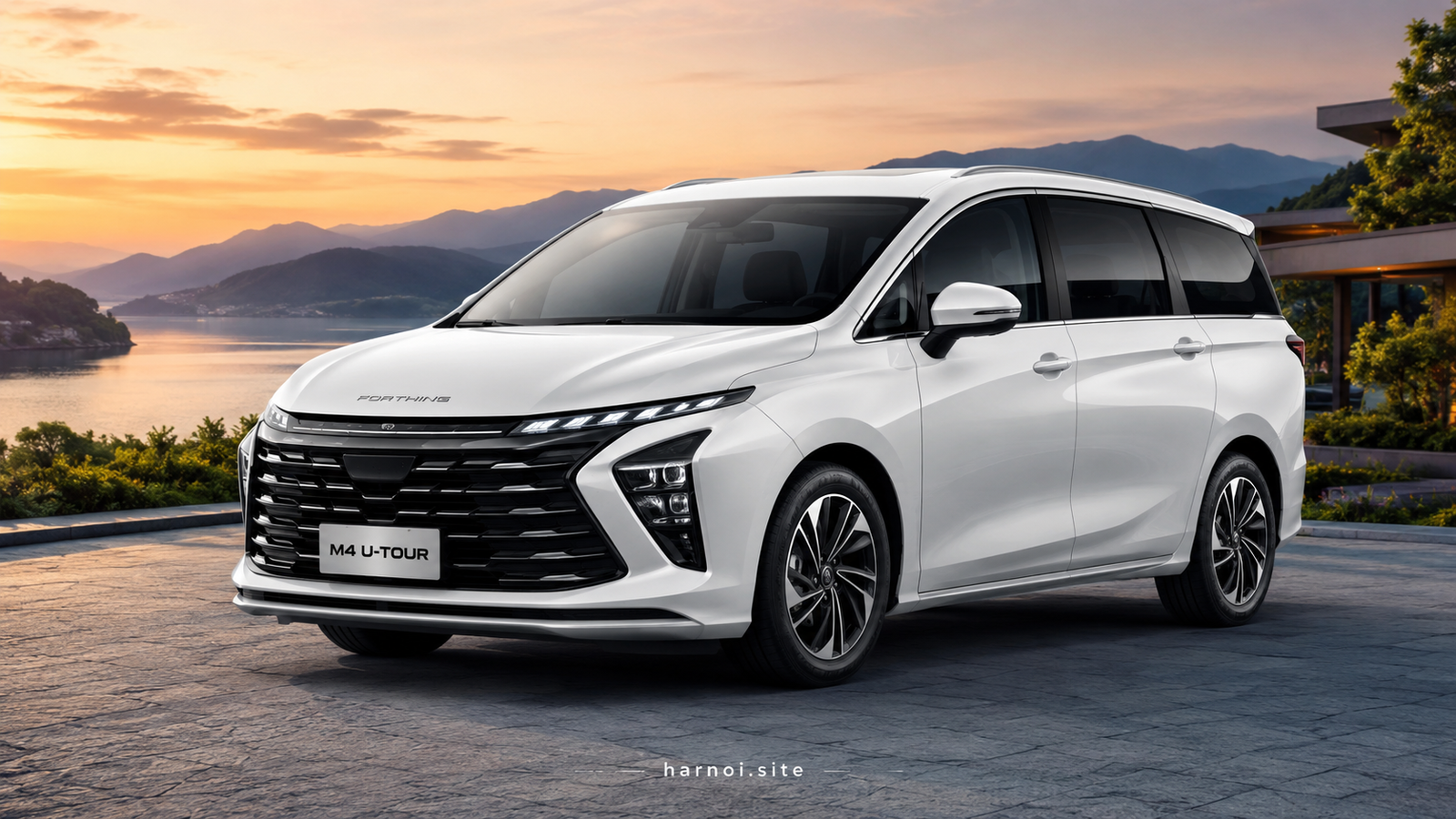
  • Forthing M4 U-Tour 2026 Review – Design, Engine, Features & Reliability

    Forthing M4 U-Tour 2026 Review – Design, Engine, Features & Reliability

    Introduction

    The MPV/mid-size crossover segment has become one of the most competitive battlegrounds for Chinese carmakers, and Dongfeng’s Forthing brand is pushing hard into it with the M4 U-Tour. Positioned as a practical, feature-loaded family vehicle, the U-Tour tries to undercut established Japanese and Korean rivals while offering a longer equipment list. This review breaks down everything prospective buyers need to know about the 2026 Forthing M4 U-Tour — from its design and engine to reliability and how it stacks up against the competition.

    Overview of the Forthing M4 U-Tour 2026

    The Forthing U-Tour was first shown internationally at the Munich Motor Show in September 2023 and has since rolled out across the Middle East, Southeast Asia, and parts of Europe. It’s built by Dongfeng Motor’s Forthing brand and marketed as a premium compact MPV that seats up to seven. For 2026, the lineup continues with a turbocharged 1.5-litre petrol engine as the mainstay powertrain, with some markets (notably parts of Europe) also receiving a newer hybrid variant that pairs the same 1.5L turbo with an electric motor for a combined output of around 240 hp. In markets like Pakistan, Forthing’s local distributor (Capital Smart Motors) has so far focused on launching the Friday electric/REEV crossover rather than confirming an official M4 U-Tour launch, so buyers in that market should check with the distributor for current availability.

    Exterior Design

    The M4 U-Tour has a bold, van-adjacent MPV silhouette with a large spindle-style front grille wrapped in chrome, flanked by curvy LED headlamps with boomerang-shaped daytime running lights. The high roofline and large windows give it a spacious, van-like stance while a sloped D-pillar and 18-inch machined alloy wheels attempt to keep the profile from looking too utilitarian. Around back, the tail lamps continue the spindle theme with LED inserts, and door-mounted mirrors along with chrome garnishes along the window line add a touch of visual polish.

    Interior Design & Cabin Quality

    Inside, the cabin leans into a premium-lite theme with dual-tone upholstery (brown/beige in some markets), leatherette or Nappa leather seat coverings depending on trim, and a wide dashboard dominated by a large widescreen display that stretches across much of the front panel — some markets get a display described as a “4K” panel. Faux-wood trim on the dash and door panels, ambient lighting, and a three-spoke steering wheel with dual digital displays behind it round out the cabin. Higher trims also add a panoramic sunroof and a six-speaker audio system.

    Engine Specifications

    The core engine is a 1.5-litre turbocharged four-cylinder petrol unit. Depending on market and state of tune, output is quoted anywhere from roughly 177 hp to about 197 hp, with peak torque figures in the 240–285 Nm range depending on the source and trim. Some European markets also get a hybridized version combining the same 1.5L turbo with an electric motor for a combined 240 hp system output.

    Transmission & Performance

    The petrol version is paired with an automatic transmission — some listings describe it as a dual-clutch unit with up to seven speeds, while others reference a conventional torque-converter automatic depending on market spec. Performance is tuned for smooth, comfortable driving rather than outright speed; it’s adequate for city commuting and highway cruising but isn’t positioned as a sporty vehicle.

    Fuel Economy (Mileage)

    Fuel economy figures place the U-Tour around 14.7 km/l (roughly 6.6 L/100 km) on the combined cycle for the standard petrol engine, aided by a claimed drag coefficient of 0.3 Cx. With a 55-litre fuel tank, that translates to a real-world range well over 700 km on a full tank for most drivers.

    Driving Experience

    Owners and reviewers generally describe the ride as comfortable and well-cushioned, suited to family use and long journeys rather than spirited driving. The suspension is tuned to soak up bumps, and the cabin is reported to be reasonably quiet at cruising speeds. It won’t feel especially engaging behind the wheel, but that’s consistent with its positioning as a practical family and business MPV.

    Safety Features

    The U-Tour comes reasonably well equipped on safety. It has earned a 5-star C-NCAP rating in China, and higher trims include up to 10 airbags along with a suite of driver-assistance features described as an “L2+” package — around 15 assistance systems in total. Standard and available safety kit across markets includes ABS with brake assist, electronic stability/traction control, hill-start assist, lane departure warning and lane-tracing assist, blind-spot warning, rear cross-traffic alert, automatic emergency braking, a 360-degree/around-view camera, tyre pressure monitoring, and ISOFIX child-seat anchors.

    Technology & Infotainment

    The centerpiece of the cabin is the wide dual-screen digital cluster/infotainment setup, paired with connectivity features like Bluetooth. Note that in at least one market listing, Apple CarPlay/Android Auto support was flagged as unavailable, so buyers who rely heavily on smartphone mirroring should verify this with their local dealer before purchasing, as specification can vary by market and trim.

    Comfort & Seating Capacity

    The U-Tour seats seven across three rows and is built around family comfort: seats get lumbar support, the second row offers four-way power adjustment in some trims, and Forthing markets more than 10 different seating configurations along with dozens of interior storage spaces. Individual fold-down desks for rear passengers and multiple USB/power points are part of the pitch toward business and family users who spend long hours in the car.

    Cargo Space & Practicality

    As a three-row MPV, cargo space with all seats up is modest, but the U-Tour’s foldable rear seats (60:40 split reported in some listings) let owners trade passenger capacity for load space when needed. The tall roofline and boxy rear help maximize usable volume relative to the car’s footprint.

    Dimensions

    Across most markets, the U-Tour measures approximately 4,850 mm in length, 1,900 mm in width, and 1,715–1,720 mm in height, riding on a 2,900 mm wheelbase. Kerb/gross weight is reported at around 1,650 kg.

    Available Trims & Variants

    Most markets currently offer the U-Tour in a single, well-equipped 1.5T trim (sometimes badged 1.5TC I4 FWD), keeping the buying decision simple. Select European markets additionally offer the newer hybrid variant alongside the standard petrol version.

    Color Options

    Exterior color availability varies significantly by market — some listings show as few as two colors (such as blue and green in one Middle East market), while others reference a broader palette. Buyers should confirm the color range with their local dealer, as it is one of the more market-dependent aspects of the lineup.

    Pros

    • Spacious, van-like cabin with genuine 7-seat practicality
    • Long list of standard comfort and convenience features for the price
    • Strong safety kit including up to 10 airbags and a 5-star C-NCAP rating
    • Competitive fuel economy for the segment
    • Distinctive, upscale-looking exterior design

    Cons

    • Limited trim/color choice in most markets (often just one variant)
    • Some markets lack Apple CarPlay/Android Auto support
    • Not the most powerful or engaging vehicle in its class
    • Being a newer Chinese entrant, resale value and long-term parts availability are less proven than established Japanese/Korean rivals
    • Official availability (e.g., in Pakistan) is inconsistent, so buyers should confirm local distributor support and after-sales network before purchasing

    Reliability

    Because the U-Tour is a relatively new model in most of its markets, long-term reliability data is limited. Early ownership feedback collected by regional automotive platforms has been mostly positive, with owners praising cabin quality and everyday usability. Independent, third-party reliability ratings in some markets have scored it around 4 out of 5, but as with most recently launched Chinese-brand vehicles, real-world durability over 100,000+ km is still being established, and buyers should weigh this against more proven competitors if long-term dependability is a priority.

    Maintenance & Service Costs

    Ownership costs are generally described as low, driven by the vehicle’s fuel efficiency and reportedly straightforward maintenance needs. However, as a newer entrant from a Chinese brand, spare parts availability and the size of the authorized service network can vary a lot by country — this is worth checking directly with the local distributor before buying, since it will materially affect long-term running costs.

    Price

    Pricing varies widely depending on market:

    • UAE: approximately AED 115,000–120,000 for the single available trim
    • Saudi Arabia: around SAR 105,900
    • Philippines: approximately ₱1.358–1.558 million
    • Europe (select markets): starting from around EUR 29,990
    • Pakistan: no confirmed official retail pricing for the M4 U-Tour specifically has been published as of this review; Forthing’s Pakistani distributor, Capital Smart Motors, has so far concentrated on launching the Friday BEV/REEV crossover, so interested buyers should contact the distributor directly for the latest on U-Tour availability

    Competitors

    The U-Tour competes against a broad mix of MPVs and mid-size SUVs depending on the market, including the Toyota Innova, Hyundai Staria, Nissan X-Trail, Haval H9, MG RX9, Geely Okavango, Maxus D60/D90, and Haima V70/7x, among others.

    Who Should Buy This Car?

    The M4 U-Tour is best suited to families or small business owners who need genuine three-row seating, a comfortable and feature-rich cabin, and reasonable running costs, and who are comfortable buying into a newer Chinese brand without the decades-long reliability track record of Toyota or Hyundai. It’s less suited to buyers who prioritize driving engagement, a wide color/trim selection, or a long-established dealer and parts network in their specific country.

    Final Verdict

    The Forthing M4 U-Tour 2026 makes a strong first impression on paper: a spacious, well-equipped, comfortable MPV at a price that undercuts several established rivals. Its main question marks are the ones common to newer Chinese entrants — unproven long-term reliability, inconsistent market availability, and thinner trim/color choices than segment leaders. For buyers prioritizing value and features over brand pedigree, it’s worth a serious look and a test drive; those who prioritize long-term resale value and a mature service network may want to compare it carefully against more established competitors first.

    Frequently Asked Questions (FAQs)

    Is the Forthing M4 U-Tour available in Pakistan? There’s no confirmed official retail launch of the M4 U-Tour in Pakistan as of this review. Forthing’s local distributor has so far focused on the Friday BEV/REEV model; interested buyers should contact the distributor for the latest availability.

    What engine does the Forthing M4 U-Tour use? A 1.5-litre turbocharged petrol engine, with output figures reported between roughly 177–197 hp depending on market and tune. Some European markets also offer a hybrid version producing a combined 240 hp.

    How many seats does the U-Tour have? Seven, arranged across three rows.

    What is the fuel economy of the U-Tour? Approximately 14.7 km/l (about 6.6 L/100 km) on the combined cycle for the standard petrol version.

    Does the U-Tour have Apple CarPlay/Android Auto? This varies by market — at least one regional listing indicates it isn’t available, so this should be confirmed with the local dealer for your specific trim.

    Is the Forthing M4 U-Tour reliable? It’s too new in most markets for long-term reliability data to be well established. Early ownership feedback has generally been positive, but buyers should treat this as a newer, less-proven alternative to established Japanese and Korean rivals.

    What are the main competitors of the U-Tour? The Toyota Innova, Hyundai Staria, Nissan X-Trail, Haval H9, MG RX9, and Geely Okavango are among its closest rivals depending on the market.

  • Forthing T5 EVO Expert Review: Design, Technology, Engine & Reliability

    Forthing T5 EVO Expert Review: Design, Technology, Engine & Reliability

    Overview

    The Forthing T5 EVO is a compact crossover SUV built by Dongfeng Liuzhou Motor under the Forthing sub-brand, part of the wider Dongfeng Motor Group. Originally unveiled at the 2020 Guangzhou Auto Show as a sportier evolution of the standard Forthing T5, the T5 EVO has since become one of the brand’s best-selling exports, with a strong presence across the Middle East, Eastern Europe, and parts of Western Europe. In several European markets it’s now sold under the “Friday EV/Friday” nameplate rather than the Forthing badge.

    It targets buyers who want SUV styling, a generous features list, and a low price of entry — competing loosely with the Kia Sportage, Hyundai Tucson, Toyota RAV4, Geely Coolray, and Jaecoo J7, but usually undercutting all of them by a meaningful margin.

    Exterior Design

    The T5 EVO leans into a bold, borrowed-from-everywhere design language: a wide front grille, sleek LED headlights, and a sculpted, sloped roofline that give it a more athletic stance than its price point suggests. Reviewers have noted styling cues reminiscent of the Volvo XC60 and even some Lamborghini Urus influence at the front end. The Sport trim adds more aggressive front and rear bumpers and carbon-fiber-look trim pieces — though these are applied as stickers over plastic rather than genuine composite material, something to be aware of if authenticity matters to you. Standard alloy wheels run 18–19 inches depending on trim, paired with 235/55 R19 or 235/60 R18 tyres.

    Interior Design & Cabin Quality

    Inside, the cabin favors a modern, tech-forward layout over outright luxury materials. Build quality is generally described as sturdy rather than premium — acceptable for the segment but not a match for materials found in a RAV4 or Sportage. A notable practical touch is the abundance of interior storage, with the T5 EVO offering dozens of storage spaces including hidden hooks and door pockets sized for one-litre bottles. Leather-upholstered seats are standard on higher trims, though some reviewers have found thigh support lacking for taller drivers, as the seat base appears tuned for occupants under about 180 cm.

    Engine Specifications

    The petrol T5 EVO is powered by a Mitsubishi-derived 1.5-liter turbocharged four-cylinder engine (1,498 cc), producing:

    • Power: approximately 192–197 hp (145 kW) at 5,600 rpm
    • Torque: 285 Nm

    A hybrid variant, the T5 HEV (also marketed as 5 HEV), uses a different “CT-E” powertrain developed with technology derived from Citroën, aimed at markets prioritizing fuel efficiency. A fully electric sibling, the Forthing Leiting (sold internationally as the Friday EV), shares the T5 EVO’s body but swaps in a BYD-sourced electric motor and a choice of 57.8 kWh or 85.9 kWh battery packs.

    Transmission & Performance

    Depending on market and trim, the T5 EVO comes with either a conventional automatic gearbox or a 7-speed dual-clutch transmission (DCT). Performance is respectable rather than thrilling for the class — Wikipedia-sourced figures put the 0–100 km/h sprint at around 9.5 seconds, which is on par with many mainstream compact SUVs rather than the “sporty” positioning some marketing suggests.

    Fuel Economy

    Official fuel consumption figures list around 6.6 L/100 km (roughly 43 mpg imperial / 36 mpg US) on the combined cycle for the petrol engine, with some regional listings citing approximately 11 km/L. Real-world figures will vary with driving style and trim (heavier Sport variants with larger wheels typically drink a bit more).

    Driving Experience

    On the road, the T5 EVO is tuned primarily for comfort and everyday usability rather than outright dynamism. The suspension soaks up urban imperfections well, and the DCT-equipped versions shift smoothly under normal driving. It’s an easy car to place in traffic thanks to its compact footprint, though it won’t reward drivers looking for sharp, engaging handling the way some rivals do.

    Technology & Infotainment

    Higher trims get a well-equipped tech package: a 10.25-inch digital instrument cluster paired with a matching 10.25-inch touchscreen infotainment display, smartphone connectivity, and — on later model years — a companion app that allows remote engine start and lock/unlock functions. Some owners have reported occasional Bluetooth audio dropouts (calls working but music or navigation audio failing to route through), and a handful of long-term users note the infotainment system’s responsiveness can degrade after a few years of use.

    Safety Features

    The safety equipment list is genuinely extensive for the price bracket:

    • Multiple airbags (front, side, curtain depending on trim)
    • ABS with Electronic Brakeforce Distribution (EBD) and Brake Assist
    • Electronic Stability Control / Vehicle Stability Control
    • Traction control
    • Hill start assist and hill hold assist
    • 360-degree camera and rear parking sensors/camera
    • Lane departure warning and lane change indicators (newer model years add lane-keep assist and lane-tracing assist)
    • Blind-spot warning
    • Forward collision warning and automatic emergency braking (later model years)
    • Adaptive cruise control (later model years)
    • ISOFIX child seat anchors
    • Tyre pressure monitoring, engine immobilizer, and anti-theft alarm

    That said, independent reviewers consistently flag that while the checklist is long, the calibration and consistency of the more advanced driver-assistance systems (ADAS) still lag behind established Japanese and Korean rivals.

    Comfort & Practicality

    The cabin is spacious enough for five adults with reasonable legroom front and rear, and the large number of storage cubbies makes it practical for daily family use. Power-adjustable front seats (8-way driver, 4-way passenger) and ambient lighting appear on the top trim, along with an acoustic-insulated hood on some versions to reduce cabin noise.

    Cargo Space

    Boot space is competitive for the compact SUV class, comfortably swallowing luggage for a small family, though exact published cargo volume figures vary by market listing and aren’t consistently disclosed across all sources — worth confirming with a local dealer for your specific trim.

    Dimensions

    Approximate dimensions (may vary slightly by market/trim):

    • Length: 4,565 mm
    • Width: 1,860 mm
    • Height: 1,690 mm
    • Wheelbase: listed at 4,565 mm in some regional spec sheets (likely a data error in the source; expect a wheelbase closer to 2,700 mm for a vehicle of this footprint — confirm with official regional specs)
    • Seating capacity: 5
    • Fuel tank capacity: approximately 55 L

    Ride Quality & Handling

    Ride quality is generally praised as comfortable and well-damped for city and highway use, with the suspension tuned toward absorbing bumps rather than delivering sharp feedback. Handling is competent and predictable rather than sporty — appropriate for the target buyer (urban families and young professionals) rather than enthusiasts.

    Maintenance & Reliability

    Forthing/Dongfeng has been building a reputation for reasonably dependable vehicles, and owner sentiment on the T5 EVO is generally positive, particularly from owners who’ve covered 40,000–60,000 km without major mechanical issues. As with any relatively new entrant to a given market, though, service network maturity, parts availability, and long-term resale value remain bigger question marks than they would be for an established Japanese or Korean brand — worth investigating locally before buying.

    Common Problems

    Based on owner forums and regional review sites, the most frequently reported issues include:

    • Infotainment glitches: Bluetooth audio (music/navigation) occasionally failing to play even though calls work; general system responsiveness reportedly declining after several years of use.
    • Keyless/remote-start quirks: Some owners report the engine stalling on gear engagement when started remotely via the companion app, with push-start also failing intermittently afterward.
    • Battery drain: A small number of reports describe the 12V battery losing charge and the doors becoming unlockable (mechanical key required) after just a couple of days without driving.
    • Unusual engine noise: A few owners mention a repetitive knocking or ticking sound developing after a period of ownership, worth having checked under warranty.
    • Idle/RPM behavior after refueling: Isolated reports of RPM not rising normally immediately after a fill-up.

    None of these appear to be widespread, catastrophic failures — they read more like the kind of software and electrical teething issues common to newer Chinese-market entrants — but they’re worth asking a dealer or current owner about before purchase.

    Pros and Cons

    Pros:

    • Aggressive pricing relative to established rivals
    • Long standard features and safety-equipment list, even on mid-range trims
    • Spacious cabin with abundant interior storage
    • Comfortable, city-friendly ride quality
    • Strong turbocharged engine output (192–197 hp) for the class

    Cons:

    • Infotainment reliability and long-term software support are inconsistent
    • Faux carbon-fiber trim and some cabin materials feel a step below segment leaders
    • Seat design better suited to shorter occupants
    • ADAS calibration doesn’t yet match Japanese/Korean competitors
    • Resale value and long-term parts support are unproven in newer markets

    Price & Value for Money

    Pricing varies significantly by market:

    • Saudi Arabia: approximately SAR 97,900–99,900
    • UAE: approximately AED 110,000 (roughly AED 1,556/month with a 20% down payment over 60 months)
    • Europe (T5 EVO/Friday EV petrol): starting around €27,490, undercutting the Kia Sportage (~€35,190) and Toyota RAV4 (~€40,000) by a wide margin

    At these price points, the T5 EVO’s feature list — 360-degree camera, dual 10.25-inch displays, leather seats, and a long list of safety equipment — represents strong nominal value. The trade-off is the usual one with newer Chinese-market entrants: you’re getting more equipment per dollar, but with more uncertainty around long-term reliability, resale value, and dealer support than an established rival would offer.

    Who Should Buy the Forthing T5 EVO?

    The T5 EVO makes the most sense for:

    • Budget-conscious families who want SUV styling and a long features list without a premium price tag
    • Urban and suburban commuters who prioritize comfort over performance
    • Buyers in markets where Forthing/Dongfeng has an established dealer network and warranty support
    • First-time SUV buyers who won’t push the vehicle hard and value equipment-per-dollar over outright refinement

    It’s a harder sell for buyers who prioritize proven long-term reliability, strong resale value, or engaging driving dynamics — in those cases, a Kia Sportage, Hyundai Tucson, or Toyota RAV4 remains the safer, if pricier, choice.

    Competitors

    • Kia Sportage
    • Hyundai Tucson
    • Toyota RAV4
    • Geely Coolray
    • Jaecoo J7
    • Bestune T99
    • BAIC BJ30
    • EXEED LX

    Final Verdict

    The Forthing T5 EVO is a solid example of how far value-oriented Chinese SUVs have come: bold styling, a genuinely long safety and features list, a competent turbocharged engine, and pricing that undercuts established rivals by a wide margin. It’s not a car built to out-handle or out-refine a RAV4 or Sportage, and its infotainment software and long-term reliability track record are still less proven than those of legacy competitors. But for buyers who weigh equipment and price heavily and can tolerate some rough edges in software polish, the T5 EVO is a reasonable and increasingly popular choice in the compact SUV segment.

    Frequently Asked Questions (FAQs)

    Is the Forthing T5 EVO available with a diesel engine? No. The T5 EVO is offered exclusively with petrol (and in some markets, hybrid or fully electric) powertrains.

    What transmission options are available? Depending on market and trim, the T5 EVO is offered with either a standard automatic transmission or a 7-speed dual-clutch transmission (DCT).

    How much horsepower does the T5 EVO have? The turbocharged 1.5L engine produces approximately 192–197 hp and 285 Nm of torque, depending on the source and model year.

    Does the T5 EVO have advanced driver-assistance features? Yes — later model years include lane-keep assist, forward collision warning, adaptive cruise control, blind-spot monitoring, automatic emergency braking, and a 360-degree camera, though calibration is reportedly less refined than in established rivals.

    Is the Forthing T5 EVO reliable? Early owner feedback is largely positive for the mechanical side of the car, with several owners reporting trouble-free ownership past 40,000–60,000 km. The most commonly reported issues relate to infotainment software and occasional electrical quirks rather than major mechanical failures.

    How does the price compare to mainstream rivals? The T5 EVO is priced meaningfully below competitors like the Kia Sportage and Toyota RAV4 across most markets where it’s sold, while offering a comparable or longer standard features list.

    Is there an electric or hybrid version? Yes. The Forthing Leiting (sold internationally as the Friday EV) is a fully electric variant sharing the T5 EVO’s body, and a hybrid T5 HEV variant is also available in select markets.

  • Borgward BX7 Review – Stylish SUV with Premium Features

    Borgward BX7 Review – Stylish SUV with Premium Features

    Overview

    The Borgward BX7 is a compact-to-midsize luxury crossover SUV that marked the return of the historic German Borgward brand after a decades-long hiatus, following the original company’s 1961 bankruptcy. The revival was a Sino-German effort: the BX7 was engineered with German input but built in China by Foton Motor, with the platform tracing back to GM2900/Saab 9-3 underpinnings acquired by BAIC. It debuted at the 2015 Frankfurt Motor Show and was produced roughly from 2016 to 2021, primarily for European, Middle Eastern, and Asian markets. It was never officially sold in North America.

    The BX7 aimed to compete with the Audi Q5 and BMW X3-class of vehicles, offering a five- or seven-seat layout, all-wheel drive, and a leather-trimmed cabin at a more accessible price point than the established German rivals.

    Exterior Design

    The BX7’s front end features a wide hexagonal grille with vertical chrome slats and a large diamond-shaped Borgward badge at its center. A short front overhang, flared fenders, and a subtly rising beltline give it a fairly conventional but well-proportioned SUV profile. Silver roof rails, standard 18-inch wheels (with an optional 20-inch set), and a roof-mounted spoiler with an integrated brake light round out the exterior. At the rear, wide taillights stretch from the quarter panels onto the tailgate to visually widen the car, while a wraparound bumper with rock-slider-style trim and dual exhaust outlets adds a mild off-road flavor.

    Interior & Cabin Quality

    Inside, the BX7 leans into a premium feel with a leather-wrapped cabin, mildly bolstered front bucket seats designed for long-distance comfort, and a dashboard laid out with a driver-focused center stack. Middle-row buyers could choose between a 60/40 split-folding bench or a pair of captain’s chairs, and a third row was available for two extra passengers — though headroom and legroom back there are tight, as is typical for this vehicle size. Fit and finish were generally regarded as solid for the price bracket, even if some materials don’t quite match the segment’s German benchmarks.

    Engine Specifications

    The BX7 uses a 2.0-liter turbocharged inline-four gasoline engine, derived from a Saab-originated design. Reported output varies slightly by market and model year, but commonly cited figures are:

    • Power: roughly 221–227 horsepower
    • Torque: roughly 300–342 Nm depending on tune and source

    A hybrid variant was also referenced in some markets, with notably higher combined output, though it saw limited distribution.

    Performance & Driving Experience

    Performance is adequate rather than exciting — in line with the BX7’s positioning as a comfort-oriented family SUV rather than a driver’s car. Most sources put the 0–100 km/h (0–62 mph) sprint at around 9–10 seconds, with a top speed in the 200–206 km/h range. The turbo engine provides decent low-end torque for city and highway driving, though some reviewers note turbo lag at light throttle and a lack of refinement at higher RPMs compared to rivals with more advanced direct-injection or variable valve timing systems.

    Fuel Economy (Mileage)

    Fuel consumption figures reported for the BX7 generally fall in the range of 9.5–11.6 L/100km (roughly 20–24 mpg US) in mixed driving, which is acceptable but not class-leading for a turbocharged compact SUV.

    Transmission & Drivetrain

    The BX7 was primarily offered with a six-speed automatic transmission (some sources cite an Aisin-sourced unit) paired with all-wheel drive, sending power to all four corners for improved traction. Some market listings also mention a 7-speed dual-clutch option, though the six-speed automatic with AWD appears to be the more consistently documented setup across sources.

    Dimensions & Cargo Space

    • Length: approximately 4,715 mm
    • Width: approximately 1,911 mm
    • Height: approximately 1,690 mm
    • Wheelbase: approximately 2,760 mm
    • Seating: 5- or 7-seat configurations
    • Cargo capacity: around 545 liters (with rear seats in place)
    • Fuel tank: around 60 liters

    These dimensions put the BX7 solidly in compact-to-midsize crossover territory, comparable to rivals like the Audi Q5 or Volkswagen Tiguan Allspace.

    Safety Features

    Being a Chinese-built model aimed largely at emerging and mid-tier markets, the BX7’s safety equipment varied significantly by trim and region. Higher trims typically included features like multiple airbags, stability and traction control, and available driver-assistance features such as parking sensors and a rearview camera. However, independent crash-test data (e.g., from Euro NCAP) for the BX7 is limited or unavailable in many markets, so buyers considering a used example should verify specific safety equipment and any available crash-test ratings for their region and model year rather than assuming parity with established German competitors.

    Technology & Infotainment

    The BX7’s infotainment setup centered on a touchscreen display (up to roughly 12.3 inches on higher trims) integrated into the dashboard, with steering-wheel-mounted controls. Depending on trim and market, features included dual-zone automatic climate control, a panoramic sunroof, and connectivity options typical of the era. It’s worth noting that the sophistication of these systems — and the availability of smartphone integration like Apple CarPlay/Android Auto — varied by region and model year, so this is another area to verify directly on any specific used unit.

    Comfort & Seating

    Comfort was one of the BX7’s stronger suits. The front seats were designed with long-distance comfort in mind, and the option of captain’s chairs in the second row added a more premium, spacious feel for smaller families. The third row, while a nice-to-have for occasional use, is best reserved for children or short trips given the limited space.

    Ride Quality & Handling

    The BX7 uses a MacPherson strut front suspension and a multi-link rear setup, tuned more for comfort than sportiness. Reviewers generally describe competent body-roll control and reasonable noise insulation on smooth roads, but note the chassis can feel less rigid on rougher surfaces, with some vagueness in the electric power steering and brake pedal feel. In short: it’s tuned for relaxed commuting and highway cruising rather than back-road enthusiasm.

    Pros and Cons

    Pros:

    • Distinctive styling with genuine “premium brand” curb appeal
    • Comfortable front seats and available captain’s chairs
    • Standard all-wheel drive across most trims
    • Competitive pricing versus established German SUVs
    • Reasonably generous cargo and passenger space for the segment

    Cons:

    • Turbo lag and less refinement at higher RPMs
    • Vague steering feel and some chassis flex on rough roads
    • Tight third row
    • Limited/inconsistent independent crash-test data
    • Sparse dealer and parts network outside its core markets, which affects long-term ownership
    • Model is now out of production (as of 2021), so used buyers face aging-vehicle considerations

    Maintenance & Reliability

    Because the BX7 was built in relatively low volumes and its parent company faced ongoing financial instability, long-term reliability data is thinner than for mainstream competitors. Owners in some markets have reported that parts availability and specialized service can be harder to find outside major cities, which is an important consideration for anyone shopping a used BX7 today. As with any low-volume or discontinued brand, it’s wise to find a specialist mechanic or dealer network before committing to a purchase.

    Common Problems

    While comprehensive long-term reliability studies are limited, recurring themes in owner and reviewer feedback include:

    • Turbo lag under light throttle in everyday driving
    • Inconsistent brake pedal feel reported by some drivers
    • Chassis flex and reduced steering precision on rough or winding roads
    • Uncertainty around parts and service support due to Borgward’s financial struggles and the brand’s eventual production halt

    Given the brand’s turbulent corporate history, it’s especially important for used-BX7 buyers to have a pre-purchase inspection done by a mechanic familiar with the platform.

    Competitors

    The BX7 competed against a broad range of compact-to-midsize crossovers, including:

    • Audi Q5
    • BMW X3
    • Volkswagen Tiguan Allspace
    • Haval H6 / H9
    • Various Chinese-market SUVs from brands like Geely and Great Wall

    Against these rivals, the BX7’s main selling points were styling and price; its main weaknesses were brand recognition, resale value, and long-term parts/service support.

    Who Should Buy the Borgward BX7?

    The BX7 could make sense for a buyer who:

    • Wants distinctive, premium-looking styling without paying full German-brand prices
    • Prioritizes comfort-oriented cruising over sporty handling
    • Has access to a knowledgeable independent mechanic or regional dealer support
    • Is shopping the used market and has budgeted for a thorough pre-purchase inspection

    It’s a harder recommendation for buyers who prioritize strong resale value, extensive dealer networks, or best-in-class independent safety ratings, given the brand’s discontinued status and thinner track record.

    Frequently Asked Questions (FAQs)

    Is the Borgward BX7 still in production? No. The BX7 was produced from roughly 2016 to 2021; Borgward’s ongoing financial difficulties affected the brand’s broader production plans, and any BX7 purchase today would be on the used market.

    Is the Borgward BX7 all-wheel drive? Most BX7 trims came with all-wheel drive paired with a six-speed automatic transmission, though exact drivetrain configuration varied slightly by market.

    How many people can the Borgward BX7 seat? It was offered in both 5-seat and 7-seat configurations, with the third row best suited to children or short trips.

    Is the Borgward BX7 reliable? Reliability data is limited due to the brand’s low sales volumes and financial instability. A pre-purchase inspection by a specialist is strongly recommended for any used example.

    How does the Borgward BX7 compare to the Audi Q5 or BMW X3? The BX7 undercuts both on price and offers similarly premium-looking styling and comfort, but it falls short on brand reputation, resale value, driving refinement, and dealer/parts support.

    Final Verdict

    The Borgward BX7 is an interesting case study in automotive ambition: a historic German name resurrected with Chinese manufacturing muscle, aiming to deliver premium looks and comfort at a value price. It largely succeeded on styling and cabin comfort, and standard all-wheel drive is a genuine plus. But turbo refinement, chassis dynamics, and — most importantly — the brand’s shaky financial history and eventual production halt mean it’s best approached today as a used-market curiosity rather than a mainstream recommendation. Buyers drawn to its unique story and design should budget for a careful inspection and confirm local parts/service support before signing on.

  • Borgward BX5 Expert Review: Performance, Comfort & Ownership Experience

    Borgward BX5 Expert Review: Performance, Comfort & Ownership Experience

    1. Introduction

    The Borgward BX5 is a subcompact luxury crossover built by Foton Motor under the revived Borgward brand — a name with German roots that traces back to the original Carl F. W. Borgward company, which folded in 1961. Foton acquired the rights to the Borgward name and relaunched it as a China-focused brand, with the BX5 debuting at the 2016 Geneva Motor Show and reaching Chinese showrooms in March 2017. It later expanded to a handful of export markets, including parts of the Middle East, but it has never been officially sold in North America or most of Western Europe.

    The BX5 positions itself as an affordable, feature-rich alternative to more established compact SUVs, wrapping turbocharged four-cylinder power and a German-flavored design language around a Chinese-market price tag. This review covers what to expect from the BX5 across design, performance, comfort, technology, and ownership — and is honest about where independent, long-term data on this niche model is thin.

    2. Borgward BX5 at a Glance

    Quick Summary

    The BX5 is a five-seat, front-engine crossover offered with two turbocharged petrol engines (1.4L and 1.8L), front-wheel drive as standard and all-wheel drive as an option, paired with a 6-speed automatic transmission. It sits in the same broad segment as the Honda CR-V or Nissan Qashqai in size, but undercuts many rivals on price in the markets where it’s sold.

    Pros & Cons (Summary)

    Pros:

    • Distinctive, upscale-looking exterior for the price
    • Punchy turbocharged engines, especially the 1.8L
    • Well-equipped cabin with a full suite of driver-assistance features on higher trims
    • Competitive pricing versus mainstream compact SUVs

    Cons:

    • Very limited dealer and parts network outside China and a few export markets
    • Sparse independent long-term reliability data
    • Resale value is uncertain given the brand’s limited global footprint and its financial troubles in China
    • Not sold in the US, UK, or most of Western Europe

    3. Exterior Design

    Front Design

    The BX5’s nose is dominated by a large hexagonal grille flanked by angular headlamp clusters, a design language clearly aimed at projecting a premium, German-adjacent identity. LED daytime running lights and available LED headlights are featured on upper trims.

    Side Profile

    A sculpted character line runs from the front fender to the rear taillights, and roof rails come standard on most trims, reinforcing the SUV silhouette. Alloy wheel sizes vary by trim, generally ranging from 17 to 19 inches.

    Rear Styling

    The rear features wraparound taillights and a two-tone bumper design on higher trims, with a shark-fin antenna and rear roof spoiler adding some visual sportiness.

    Dimensions

    The BX5 measures approximately 4,490 mm in length, 1,877 mm in width, and around 1,675 mm in height, with a wheelbase of about 2,685 mm. These dimensions place it firmly in the compact-to-subcompact crossover class, with cabin space that’s competitive for the segment though not class-leading.

    4. Interior & Cabin Quality

    Dashboard

    The dashboard layout emphasizes a horizontal design with a floating touchscreen, soft-touch materials on the upper surfaces of higher trims, and piano-black or brushed-metal-look accents depending on trim level.

    Seats

    Seating is generally cloth on base trims and leather or leatherette on upper trims, with available power adjustment and heating for the front seats on top-spec models. Reviewers and owners in Chinese and Middle Eastern markets have generally described the seats as comfortable for daily use, though long-distance support has drawn mixed feedback.

    Cargo Space

    Cargo capacity is adequate for the segment, with rear seats that fold to expand storage, though the BX5 doesn’t stand out as a class leader for outright cargo volume compared to larger compact SUVs.

    Build Quality

    Fit and finish is generally regarded as solid for the price point, though panel gaps and interior plastic quality on lower trims have been noted as areas where the BX5 doesn’t quite match more established brands like Volkswagen or Honda.

    5. Engine Specifications

    Engine Type

    The BX5 is offered with two turbocharged, direct-injection petrol four-cylinder engines: a 1.4L unit and a 1.8L unit. A more powerful 2.0L turbo (carried over from the larger BX7) has also been offered on some all-wheel-drive variants in certain markets.

    Horsepower

    • 1.4L turbo: approximately 148–150 hp
    • 1.8L turbo: approximately 188–190 hp
    • 2.0L turbo (select AWD variants): approximately 221–224 hp

    Torque

    • 1.4L turbo: approximately 250 Nm
    • 1.8L turbo: approximately 280 Nm

    Transmission

    All BX5 variants use a 6-speed automatic transmission as standard, paired with front-wheel drive or optional four-wheel drive depending on the engine and trim.

    6. Performance Review

    Acceleration

    The 1.8L turbo is the pick of the range for anyone who wants brisker acceleration, with enough low-end torque to make merging and overtaking feel confident for a crossover in this class. The 1.4L is adequate for city use but feels noticeably less eager once loaded up with passengers or cargo.

    Highway Performance

    At highway speeds, the BX5 feels stable and composed, with the 1.8L engine providing enough reserve power for confident passing. Wind and road noise are well controlled for the price segment, though not at the level of more premium-badged competitors.

    City Driving

    In city driving, the BX5’s turbo engines and automatic transmission make for smooth, low-effort progress, and the car’s dimensions make it easy to place in traffic and tight parking situations.

    7. Fuel Economy

    Because the BX5 is not sold in markets that use standardized EPA-style testing (like the US), there isn’t a widely published, independently verified city/highway MPG figure for it. Chinese and Middle Eastern market data typically report fuel consumption in liters per 100 km rather than mpg.

    City MPG

    Owner-reported city fuel consumption for the 1.4L and 1.8L variants generally falls in the range of roughly 9–11 L/100km (about 21–26 mpg) in stop-and-go conditions, though this varies with driving style and market.

    Highway MPG

    Highway consumption tends to improve to roughly 7–8 L/100km (about 29–34 mpg) for the smaller engine, with the 1.8L running slightly thirstier.

    Real-World Fuel Consumption

    As with most turbocharged small-displacement SUVs, real-world fuel economy tends to run a bit higher than manufacturer-quoted figures, particularly with the AWD and 2.0L combination. Because there’s no large body of independently verified Western testing data, treat these figures as directional rather than definitive.

    8. Ride Comfort & Handling

    Suspension

    The BX5 uses a fairly conventional strut-front, multi-link or torsion-beam rear setup depending on trim, tuned toward comfort rather than outright sportiness. It absorbs rougher road surfaces reasonably well for the segment.

    Steering Feel

    Steering is light and geared toward easy low-speed maneuvering, which suits city driving but doesn’t offer much in the way of driver engagement or road feel at higher speeds.

    Noise Levels

    Cabin noise insulation is competitive for the price point, with wind and tire noise creeping in more noticeably at highway speeds than in some pricier rivals.

    9. Safety Features

    Airbags

    Standard equipment typically includes dual front airbags, with side and curtain airbags added on higher trims.

    ABS

    Anti-lock braking system (ABS) with electronic brakeforce distribution (EBD) is standard across the range.

    Stability Control

    Electronic stability control and traction control are standard or near-standard depending on market and trim.

    Driver Assistance Features

    Higher trims add features such as cruise control, tire pressure monitoring, parking sensors, and a reversing camera. More advanced driver-assistance systems (like adaptive cruise control or lane-keeping assist) are not consistently available across all markets, so buyers should check trim-specific spec sheets carefully.

    10. Technology & Infotainment

    Touchscreen

    Most trims include a touchscreen infotainment display, generally in the 8–10 inch range on higher trims, controlling media, navigation (market-dependent), and vehicle settings.

    Apple CarPlay

    Apple CarPlay availability varies significantly by market and model year, so it should be confirmed on the specific unit being considered rather than assumed.

    Android Auto

    Similarly, Android Auto support depends on the infotainment version fitted and the export market; it’s not universally guaranteed across all BX5 units.

    Audio System

    Sound quality from the standard audio system is adequate rather than exceptional, with some higher trims offering upgraded speaker counts.

    11. Reliability & Common Problems

    This is an area where the BX5 is hardest to review with confidence. Borgward’s parent situation in China has been turbulent — the brand went through bankruptcy restructuring around 2019 — which has limited both the volume of independent long-term testing and the consistency of aftersales support in various markets.

    Common Issues

    Owner forums and regional reviews mention occasional infotainment software glitches and inconsistent panel fit on early production units, but there isn’t a large, independently compiled dataset of common mechanical failures comparable to what exists for mainstream brands like Toyota or Honda.

    Maintenance Experience

    Owners in markets with an active dealer network generally report a straightforward maintenance experience, though wait times for specific parts can be longer than for more established brands.

    Long-Term Reliability

    Because the BX5 hasn’t been on sale long enough, in a wide enough market, with enough independent tracking (things like J.D. Power or Consumer Reports don’t cover it), any claim about long-term reliability should be treated as provisional. Prospective buyers should weigh this uncertainty heavily, especially if buying used.

    12. Maintenance & Ownership Cost

    Service Cost

    Routine service costs are generally reported as reasonable relative to segment rivals in markets where the BX5 is sold, partly reflecting its positioning as a value-oriented alternative.

    Spare Parts Availability

    This is a genuine weak point outside China. In smaller export markets, parts availability can be limited and lead times longer than for mainstream global brands, which is an important consideration for anyone planning to keep the car long-term.

    Insurance

    Insurance costs vary widely by region and are influenced heavily by the limited service network and uncertain resale value, which some insurers may factor into premiums. It’s worth getting a specific quote before purchase rather than assuming parity with more common SUVs.

    13. Pros and Cons

    Pros:

    • Bold, upscale-looking design for the price
    • Strong low-end torque from the 1.8L turbo engine
    • Generous feature list on higher trims relative to price
    • Comfortable ride for city and highway use

    Cons:

    • Limited dealer network and parts availability outside core markets
    • Thin independent reliability and long-term ownership data
    • Uncertain resale value tied to the brand’s financial history
    • Driver-assistance tech lags behind class leaders

    14. Who Should Buy the Borgward BX5?

    The BX5 makes the most sense for buyers in markets where it’s actively sold and supported — chiefly China and select Middle Eastern markets — who want a well-equipped, good-looking crossover at a lower price than comparable Western or Japanese brands, and who are comfortable with some uncertainty around long-term parts support and resale value. It’s a harder recommendation for buyers who prioritize proven long-term reliability data or who live somewhere without an established Borgward dealer network.

    15. Borgward BX5 vs Competitors

    Compared with segment stalwarts like the Honda CR-V, Nissan Qashqai, or Volkswagen Tiguan, the BX5 generally undercuts on price while offering a comparable feature list on paper. Where it tends to fall short is in the depth of independent reliability data, global parts and service support, and resale value — areas where the established competitors have a significant head start built over many years and markets. Buyers cross-shopping the BX5 against these rivals should weigh the initial value proposition against the practical realities of long-term ownership support.

    16. Frequently Asked Questions (FAQs)

    Is Borgward BX5 reliable? There isn’t enough independent, long-term data to make a confident reliability claim. Owner reports are generally not alarming, but the BX5 lacks the large-scale tracking that exists for more established brands, so treat reliability claims — including this one — with some caution.

    Is Borgward BX5 fuel efficient? It’s reasonably efficient for a turbocharged compact crossover, particularly the 1.4L engine, though there’s no standardized Western fuel-economy rating to point to, since it isn’t sold in markets that use that testing regime.

    Is Borgward BX5 good for families? Yes, in terms of seating and general practicality it’s a reasonable family crossover, though families should weigh the limited service network in their specific region before committing.

    What engine does Borgward BX5 have? It’s offered with turbocharged 1.4L (about 148–150 hp) and 1.8L (about 188–190 hp) petrol engines, with a 2.0L turbo (around 221–224 hp) available on some AWD variants, all paired with a 6-speed automatic transmission.

    Is Borgward BX5 worth buying? It can be worth buying if you’re in a market with solid dealer support and you value its design and features-per-dollar, but the uncertainty around long-term parts availability and resale value is a real factor to weigh against the upfront savings.

    17. Final Verdict

    The Borgward BX5 is a genuinely interesting proposition on paper: a good-looking, well-equipped crossover with punchy turbocharged engines at a price that undercuts many established rivals. Where it struggles is in the areas that matter most over the life of ownership — a limited dealer and parts network outside its core markets, and a lack of the kind of independent long-term reliability data that buyers of mainstream brands take for granted. For buyers in markets where Borgward has real dealer support, the BX5 is worth a serious look. For everyone else, the practical risks of ownership are worth weighing carefully against the initial appeal.